2026 Top LED Poster Display Trends and Innovations?
The future of advertising is bright, especially with LED Poster Display technology. These vibrant screens are transforming how brands communicate. In 2026, we expect to see significant trends and innovations emerging in this field.
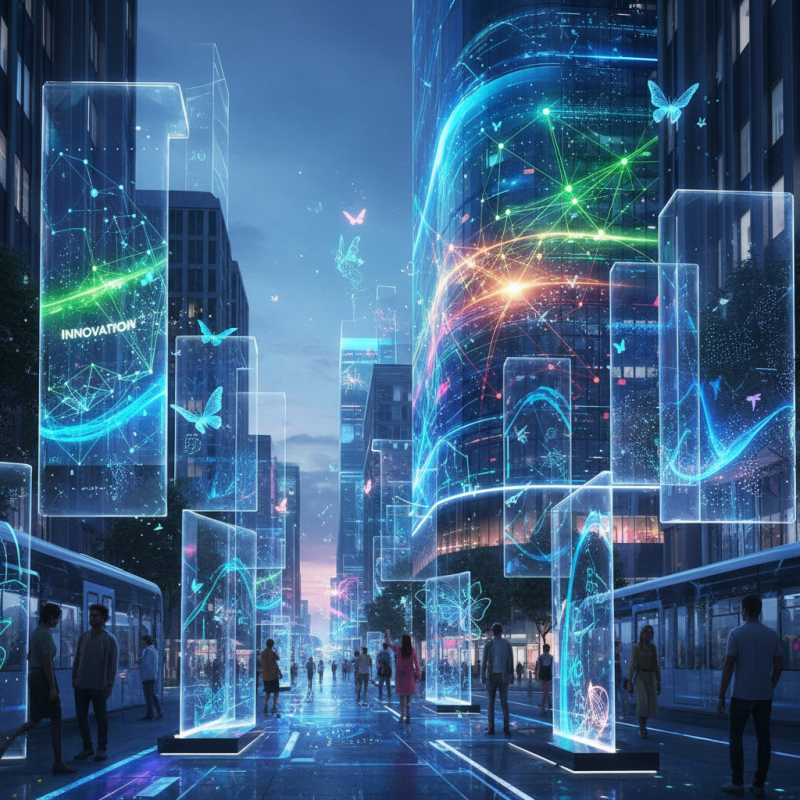
LED Poster Displays are becoming more interactive. They capture attention with stunning visuals. Many businesses are experimenting with augmented reality features. This creates immersive experiences for viewers, blurring the lines between digital and physical worlds.
However, not all innovations will be seamless. Challenges such as high energy consumption could arise. Companies need to find a balance between eye-catching design and sustainability. As these displays evolve, so does the responsibility to innovate ethically. Understanding these dynamics will be crucial for future success in the industry.
Emerging Technologies Shaping LED Poster Displays in 2026
The LED poster display landscape is transforming rapidly. Emerging technologies are leading the charge. Improvements in brightness and resolution create striking visuals. Higher pixel density makes images incredibly sharp. This advancement attracts attention in crowded environments, enhancing engagement.
Flexible LED displays are another exciting trend. These can bend and shape around various surfaces. Such versatility allows for creative installations that capture viewers' imagination. However, these innovations come with challenges. Installation can be complicated. Maintenance may require specialized knowledge.
Artificial intelligence is also making its mark. AI-based systems can adapt content in real-time. They analyze audience behavior and adjust displays accordingly. This creates a personalized viewing experience. Yet, reliance on technology raises concerns. What happens if the system fails? Ensuring reliability is crucial in this evolving landscape. Balancing creativity and practicality will shape the future of LED poster displays.
Key Design Innovations for Enhanced Visual Impact in LED Posters
The landscape of LED poster displays is evolving rapidly. Key design innovations are enhancing visual impact significantly. A recent report shows that 75% of consumers respond positively to high-quality visual displays. Brightness, color accuracy, and resolution are pivotal in attracting attention. The trend towards smaller pixel pitches is notable. This allows for clearer images even at close distances.
Interactive features are also gaining traction. Touch screens and motion sensors engage audiences more effectively. Research indicates that interactive displays can increase retention of information by up to 40%. However, some designs may overwhelm viewers. Balance is crucial to maintain visual clarity. Consideration of the surrounding environment is often overlooked. Displays should harmonize with their surroundings, not clash with them.
Sustainability is becoming a focal point as well. Many companies are deploying eco-friendly materials. Yet, the challenge remains in reducing energy consumption without sacrificing performance. While innovations continue to advance, the integration of advanced technologies needs careful evaluation. Not all innovations lead to better designs. It is essential to reflect on what truly enhances user experience.
Sustainable Practices in LED Poster Manufacturing and Usage
Sustainable practices in LED poster manufacturing are transforming the industry. More companies are focusing on eco-friendly materials, which decreases environmental impact. These materials include recycled plastics and sustainable metals. By using such resources, manufacturers can reduce waste significantly.
Energy efficiency is another crucial aspect. New LED posters consume less power than earlier models. This not only cuts costs but also lowers carbon footprints. However, the production process still generates emissions. Innovations in clean energy sources would help mitigate this issue.
Recycling old LED displays presents a challenge. Many types of materials are not easy to reclaim. Companies must find ways to improve their recycling efforts. Creating a circular economy for LED posters is essential. The industry can thrive while being responsible. This shift is not just beneficial; it is necessary for a greener future.
Integration of AI and Interactive Features in LED Displays
The integration of AI in LED displays is revolutionizing visual communication. Smart features now enable dynamic content adaptation. Displays can analyze audience engagement. This creates a personalized experience. For example, an LED poster can change its content based on the viewer's demographics. The technology tracks movements and responses in real time. This responsiveness can enhance marketing efforts significantly.
Interactive features are also on the rise. Touch and voice commands allow users to engage directly with displays. They can navigate menus or select content effortlessly. This interaction creates a deeper connection with the audience. However, not all displays are optimized for this kind of engagement. Some struggle with user interface design, making navigation confusing. This needs improvement to fully harness the potential of interactive technology.
The fusion of creativity and technology is essential. Designers must think critically about user experience. There is room for innovation. Integrating intuitive AI features can lead to more effective advertising. The path is exciting yet challenging, with much to learn and explore.
Market Trends Influencing LED Poster Display Adoption in 2026
In 2026, the landscape of LED poster displays is evolving rapidly. Key market trends indicate a rise in demand for more interactive displays. Businesses are seeking to engage consumers in innovative ways. This shift is pushing manufacturers to focus on sleek designs and versatile functionalities. Brightness and clarity are essential. However, some products still struggle with power efficiency.
Sustainability is becoming a priority. Companies are looking to reduce their carbon footprint. Many are exploring eco-friendly materials in production. Yet, challenges remain in sourcing sustainable components. Moreover, there is a growing interest in integrating smart technology. Displays that incorporate AI can analyze viewer engagement. However, privacy concerns surrounding data collection still exist.
The versatility of LED posters is appealing. They can be used in various settings, from retail stores to events. Brands are eager to utilize these displays for advertising. Yet, the high initial investment can be a barrier for some. The technology must not only be captivating but also affordable. Balancing innovation with cost-effectiveness will be vital.
2026 Top LED Poster Display Trends
This bar chart illustrates the expected adoption rates of various LED poster display technologies in 2026. The trends include advancements in energy efficiency, resolution, size, and interactive features, showing a significant shift towards higher quality and more versatile displays.