Choosing a 304l Stainless Steel Sheet supplier is not just a price comparison. Buyers need consistent chemistry, accurate thickness, dependable surface finish, and traceable mill documentation. A polished sample may look convincing under warehouse lights, but the real test is whether the delivered sheets match the specification and arrive ready for fabrication. Small details matter.
Metallurgist John D. Verhoeven’s work on metals offers a useful perspective. A buyer-focused paraphrase is: “A material’s performance depends on its composition, processing, and service conditions.” That is not a verified verbatim quotation, so buyers should consult primary sources before citing it formally. For procurement, the point is practical: confirm the grade, finish, tolerances, and inspection records before placing an order.
This guide examines suppliers serving global buyers, from established mills to regional stockists. It considers product range, quality controls, export experience, lead times, and communication. Ask whether a supplier can provide test certificates and clarify how it protects sheets during packing and transport. A dented corner can complicate a clean fabrication plan.
Supplier claims deserve scrutiny. Not every listing explains its sourcing or inspection process clearly, and that matters. Compare written specifications, request current documentation, and check how the supplier handles discrepancies. The aim is not to find a perfect promise. It is to find a supplier whose evidence, service, and material quality hold up when the order arrives.
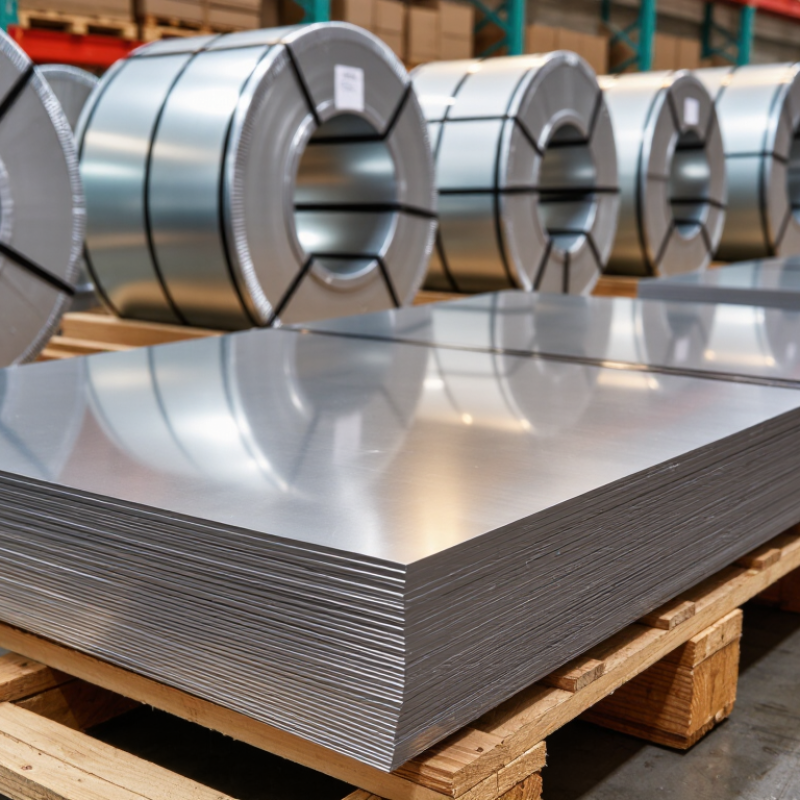
For global buyers, 304L is defined by chemistry, not by a supplier’s marketing label. ASTM A240/A240M sets the maximum carbon content at 0.03% by weight. The corresponding limit for standard 304 is 0.08%. That number matters. Lower carbon reduces the risk of chromium-carbide precipitation during welding, helping limit intergranular corrosion near heat-affected zones. The International Stainless Steel Forum’s fabrication guidance explains why welding practice and material selection both affect stainless steel performance. Low carbon is helpful, not a guarantee; corrosive conditions and poor fabrication can still cause problems.
When comparing sheet offers, request a material test report linked to the heat number. Check that its chemistry confirms the 0.03% limit, then review thickness, surface finish, and dimensional tolerances against the purchase specification. ASTM A240/A240M also covers product requirements for chromium-nickel stainless steel plate, sheet, and strip. A familiar grade name alone is not enough. One awkward detail: paperwork may look complete while traceability between the sheet and test report remains unclear. Ask how bundles are identified and whether inspection records follow each shipment. For welded tanks or food-processing equipment, discuss forming and welding conditions with the supplier before ordering; 304L’s low-carbon chemistry cannot compensate for every design or service choice.
| Buyer Checkpoint | 304L Requirement or Reference | What to Verify When Sourcing |
|---|---|---|
| Product standard | ASTM A240/A240M covers chromium and chromium-nickel stainless steel plate, sheet, and strip for pressure vessels and general applications. | Confirm the ordered product form, grade, dimensions, and applicable edition of the standard on the quotation and order documents. |
| Grade identification | Type 304L is the low-carbon version of Type 304. ASTM A240 limits carbon in 304L to 0.030% maximum by mass. | Check that the material test certificate identifies the grade as 304L and reports a carbon result meeting the specified limit. |
| Chromium | 18.00–20.00% by mass for Type 304L under ASTM A240. | Compare the reported heat-analysis result with the standard’s specified range. |
| Nickel | 8.00–12.00% by mass for Type 304L under ASTM A240. | Confirm the certificate reports nickel within the grade limits. |
| Other specified chemistry limits | Manganese: 2.00% max; silicon: 0.75% max; phosphorus: 0.045% max; sulfur: 0.030% max; nitrogen: 0.10% max. | Review the complete chemical analysis rather than relying only on a grade label or product description. |
| Surface finish | Common ASTM A480/A480M finish designations include No. 1, No. 2D, No. 2B, No. 3, No. 4, and BA. | Specify the required finish and any appearance or protective-film requirements in the purchase order; finish names are not interchangeable. |
| Dimensions and tolerances | Thickness, width, length, flatness, and dimensional tolerances depend on the ordered product and the applicable specification requirements. | State the required dimensions, units, tolerances, edge condition, and whether sheets are supplied cut-to-length or in another agreed format. |
| Mechanical properties | ASTM A240 specifies mechanical-property requirements for the grade and product condition. | Check the relevant standard requirements and the reported test results for the ordered thickness and condition; do not assume values from a generic product listing. |
| Traceability and inspection documents | A material test certificate can record the heat number, chemical analysis, mechanical tests, and product identification. EN 10204 Type 3.1 is a commonly requested inspection-document format. | Agree on the required certificate type before purchase and ensure markings, bundle records, and certificate heat numbers match. |
| Packaging for international shipment | Packaging and marking are agreed delivery conditions, not a substitute for grade or dimensional verification. | Specify moisture protection, sheet separation, edge protection, bundle labeling, and export-packaging requirements according to the shipping route and handling method. |
Note: Numerical composition limits shown are weight percentages for Type 304L as specified in ASTM A240/A240M. Verify the applicable standard edition and purchase-order requirements for each order.