Top 10 Benefits of Using Interposer Substrate for Electronics?
The rise of complex electronics has highlighted the importance of innovative solutions. One such solution is the Interposer Substrate, a technology rapidly gaining traction in the semiconductor industry. According to a report by Market Research Future, the global market for interposer technology is projected to reach USD 3.5 billion by 2028, growing at a compound annual growth rate of 15%. This growth is fueled by the increasing demand for high-performance computing systems.
Interposer Substrates offer numerous benefits, enhancing connectivity and miniaturization. They provide a versatile platform for integrating various components, such as memory, processors, and sensors, into a single package. This integration not only reduces signal latency but also improves overall system efficiency. Companies, like Intel and AMD, invest heavily in this technology to overcome limitations posed by traditional circuit board designs.
Despite these advantages, challenges exist. Implementation costs can be high, and thermal management remains a critical issue. Companies must navigate these hurdles to fully realize the potential of Interposer Substrates. However, the benefits they bring to electronic design and manufacturing are undeniable, paving the way for more advanced and compact devices in the future.
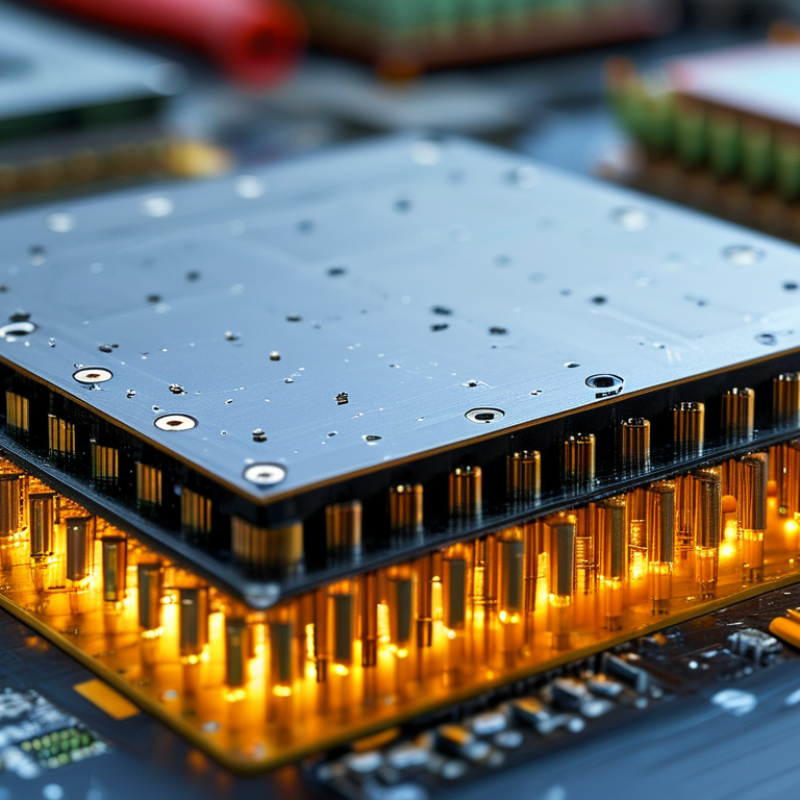
Advantages of Interposer Substrate in Enhancing Electronic Performance
Interposer substrates are a game changer in electronics. They enhance signal integrity and improve thermal management. By using advanced interposer designs, manufacturers achieve better performance and reliability. These substrates facilitate high-density interconnections. This leads to smaller form factors for devices, saving valuable space in compact electronics.
Moreover, interposers support multiple chip technologies. This integration allows for diverse functionalities in a single assembly. Interestingly, while the design complexity can increase, it offers opportunities for innovation. Designers must invest time in understanding the trade-offs involved. Balancing performance with costs can be challenging.
The reliability of interposer technology continues to improve. Testing these substrates reveals their ability to withstand varying environmental conditions. Such resilience is crucial in today's demanding applications. However, designers need to be mindful of potential shortcomings. Proper material selection is key, as poor choices can lead to failure.
Improved Thermal Management Through Interposer Substrate Design
Interposer substrates play a crucial role in enhancing the thermal management of electronic devices. By incorporating advanced materials and design techniques, interposers can effectively dissipate heat generated by high-performance components. Studies show that using interposer substrates can improve thermal conductivity by up to 30%. This is significant for applications requiring temperature stability, such as high-power processors and GPUs.
Thermal management directly impacts system reliability and performance. Poor heat dissipation can lead to thermal throttling, limiting a device's functionality. Research indicates that over 60% of electronic failures are linked to thermal issues. Properly designed interposers can mitigate these risks. They provide better surface area for heat dispersion and can integrate cooling solutions more efficiently than traditional methods.
However, designing effective interposers is not without challenges. The trade-off between thermal performance and manufacturing complexity often arises. Engineers must navigate these complexities while optimizing designs for cost-effectiveness. Data suggests that as device power levels increase, innovative thermal solutions become imperative. Therefore, continuous evaluation of interposer designs is essential for sustaining electronics advancement.
Facilitation of Multi-Chip Integration Using Interposer Technology
Interposer technology plays a crucial role in multi-chip integration. This method significantly enhances the performance of electronic devices. Recent industry reports indicate that adopting interposer substrates can reduce signal loss by over 30%. These substrates facilitate closer chip placement, leading to better communication between chips. This is essential in high-speed applications where latency matters.
Moreover, interposer technology allows for a mix of different chip technologies in one package. It bridges the performance gap between varied components. Consequently, this results in efficient power management and reduced thermal issues. A study by the Semiconductor Industry Association highlights that integrating multiple chips on an interposer can improve yield rates by approximately 20%. Yet, concerns around manufacturing complexity arise. Each layer must align perfectly, or the advantages diminish.
The challenges do not overshadow the potential benefits. Companies must invest in precision techniques to maximize the advantages of interposer technology. This ongoing innovation reflects the industry's focus on advanced packaging solutions. As the demand for compact and efficient electronics grows, the value of interposer substrates will continue to rise.
Reduction of Signal Loss and Improved Electrical Performance
The use of interposer substrates in electronics enhances signal integrity significantly. By physically separating different components, these substrates minimize noise and interference. This separation reduces the chances of crosstalk, which is crucial for high-speed applications. With better signal manageability, designers can achieve higher data rates without worry.
Reduced signal loss translates into improved electrical performance. For instance, signals travel faster and retain their strength over longer distances. This is particularly important in applications like telecommunications and data centers. Despite these advantages, the integration process can be complex. Engineers must carefully consider the materials used to avoid undesired effects. Finding the right balance between performance and cost is not always straightforward.
Moreover, while interposer substrates promise many benefits, there can be challenges. Compatibility issues with existing designs might arise. Addressing these requires careful planning and adjustments. Teams must stay informed about the latest advancements. This vigilance helps ensure that they maximize the subtle intricacies of interposer technology.
Top 10 Benefits of Using Interposer Substrate for Electronics
| Benefit | Description | Impact |
| Reduction of Signal Loss | Interposer substrates help in minimizing signal degradation during transmission. | Enhanced communication reliability. |
| Improved Electrical Performance | Facilitates higher performance levels in high-speed applications. | Increased efficiency of electronic devices. |
| Higher Density Packaging | Allows for compact arrangement of components. | Saves space on the PCB. |
| Thermal Management | Improves heat dissipation through advanced materials. | Durability and longevity of components. |
| Design Flexibility | Enables innovative design strategies that traditional PCBs cannot. | Facilitates custom solutions for diverse applications. |
| Reduced Power Consumption | Optimizes electrical pathways reducing energy waste. | Lower operational costs for devices. |
| Increased Reliability | Greatly enhances the overall durability of electronic assemblies. | Minimized failure rates in critical applications. |
| Scalability | Easily accommodates changes in design without major adjustments. | Adaptability to new technologies. |
| Lower Cost of Ownership | Reduction in material and operational costs by improving efficiency. | Long-term cost savings for manufacturers. |
| Boosted Performance in RF Applications | Provides superior integration for RF and microwave circuits. | Essential for modern telecommunications. |
Cost-Effectiveness of Interposer Substrate in Manufacturing Electronics
Cost-effectiveness is a significant advantage of using interposer substrates in electronics manufacturing. Reports indicate that interposers can reduce the overall costs by facilitating higher integration levels. This integration leads to fewer components, lowering both materials and assembly costs. A market analysis found that adopting interposer technology could decrease production costs by as much as 25% in certain applications.
Moreover, interposer substrates often enhance performance and reliability. By offering superb thermal and electrical properties, they mitigate heat dissipation issues which could compromise overall product lifespan. A study highlighted that devices utilizing interposer substrates demonstrated a 30% increase in thermal efficiency. However, some manufacturers still hesitate to shift, fearing initial investment costs. The long-term savings often outweigh these concerns when evaluated properly.
Manufacturing challenges also arise. Fine pitch routing can complicate assembly lines set up for traditional substrates. The complexity may add extra costs in terms of training and equipment upgrades. Yet, these hurdles should not overshadow the clear benefits. As data-driven insights suggest, integrating interposer technology allows for innovative designs that would be unfeasible with conventional methods.