The Best Electric Forklift Battery Options for Global Buyers?
In the rapidly evolving world of material handling, selecting the right Electric Forklift Battery is crucial. Industry expert Dr. James Anderson, an authority in battery technology, once highlighted, “The efficiency of an electric forklift heavily relies on its battery performance.” This underscores the importance of understanding battery options available to global buyers.
Electric Forklift Batteries come in various types, each with unique advantages. For instance, lithium-ion batteries offer longer lifespans and faster charging times. Meanwhile, lead-acid batteries are often cheaper, but they require more maintenance. Buyers face a dilemma when choosing the best option that aligns with their specific needs and operational demands.
Choosing improperly can lead to decreased efficiency or increased costs. While some buyers may lean towards the most affordable option, they might overlook the total cost of ownership. Each battery type has its nuances, which require careful consideration. Reflecting on these aspects is essential for making informed decisions in a competitive market.
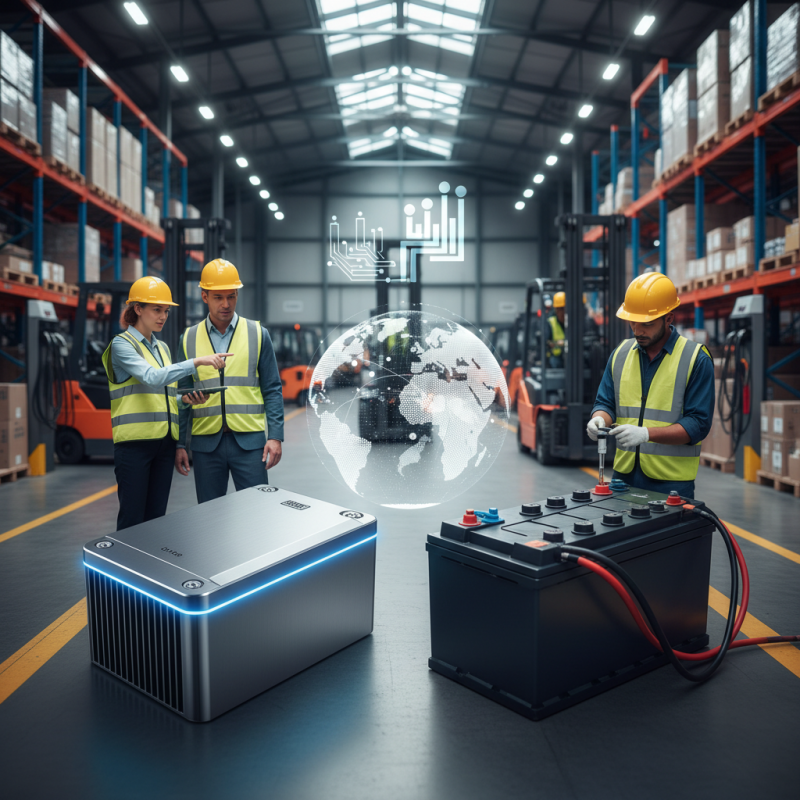
Top Types of Electric Forklift Batteries Available in the Market
Choosing the right electric forklift battery is crucial for efficient warehouse operations. There are several types available, each suitable for different applications. Lithium-ion batteries are gaining popularity. They charge quickly and have a longer lifespan. However, their initial cost can be a concern for some buyers.
Lead-acid batteries remain a common choice. They are widely used due to their affordability and reliability. Many businesses appreciate their established technology. Still, these batteries require regular maintenance and may not perform well in extreme temperatures. Some users report issues with weight, impacting the forklift's overall efficiency.
Another option is gel batteries. These are a type of lead-acid battery that offers some advantages. They have lower self-discharge rates and are safer to use. Yet, they may not be as powerful or durable as lithium-ion options. Buyers need to weigh the pros and cons carefully. Making an informed decision is essential, as it affects operational costs and productivity significantly.
Key Factors to Consider When Choosing an Electric Forklift Battery
Choosing the right electric forklift battery can significantly impact your operations. Key factors include battery type, capacity, and lifespan. Consider lithium-ion or lead-acid options. Each has its unique benefits and trade-offs. Lithium-ion batteries pack higher energy density and faster charging times. However, they come with a higher upfront cost.
Capacity is crucial for productivity. It determines how long the forklift can operate before needing a recharge. An incorrect capacity choice can lead to frequent downtimes. Think about your workload and how this affects your battery needs. Additionally, lifespan is not just about the years of use. It's about overall performance consistency.
A reliable supplier can provide insights but always verify their claims. Sometimes, specifications may seem perfect on paper but falter under real-world conditions. Ask about warranties and customer feedback. It's vital to evaluate user experiences. This step may reveal unexpected issues or benefits that guide your decision-making process. Balancing these factors can lead to better long-term cost efficiency and optimal performance in your operations.
The Best Electric Forklift Battery Options for Global Buyers
| Battery Type | Capacity (Ah) | Voltage (V) | Cycle Life (Cycles) | Charging Time (Hours) |
| Lead-Acid | 600 | 48 | 1200 | 8 |
| Lithium-Ion | 500 | 36 | 3000 | 2 |
| Nickel-Cadmium | 400 | 48 | 1500 | 5 |
| Gel | 540 | 48 | 1200 | 6 |
| ABS (Aqueous Battery System) | 700 | 48 | 2000 | 3 |
Comparing Lead-Acid and Lithium-Ion Forklift Battery Options
Electric forklifts have become essential for many industries, but choosing the right battery can be challenging. When comparing lead-acid and lithium-ion options, it’s crucial to understand their pros and cons.
Lead-acid batteries are often more affordable upfront. They are reliable and widely available, making them a common choice. However, they have a shorter lifespan and require regular maintenance. Users must monitor electrolyte levels and specific gravity. They also take longer to charge, which can slow down operations. It's vital for buyers to consider these factors when making a decision.
Lithium-ion batteries, on the other hand, offer several advantages. They charge faster and have a longer lifespan than lead-acid batteries. These batteries are more energy-efficient and require less maintenance. However, the initial cost is higher. Users may need to evaluate their budget and usage patterns carefully.
Tips: Always assess your operational needs. Are speed and efficiency more important than cost? Think about how often you’ll need to replace the battery. Additionally, consider the environment in which the forklift will operate, as temperature variations can impact battery performance. A thoughtful approach can lead to better long-term investment.
Global Manufacturers of Electric Forklift Batteries and Their Offerings
Electric forklifts are essential in modern warehouses. Selecting the right battery influences efficiency and operational costs. Global manufacturers provide various battery options to enhance forklift performance and longevity.
For instance, lithium-ion batteries are becoming popular due to their longer lifespan and faster charging capabilities. Reports show that lithium-ion batteries can reduce energy costs by up to 30%. This is crucial for businesses aiming to improve productivity while minimizing expenses. In contrast, traditional lead-acid batteries still dominate due to their lower initial costs. However, they require regular maintenance and have a shorter operational life.
When choosing a battery, consider your specific needs. Analyze your operational hours and energy demands. A battery that may seem cost-effective initially could lead to higher expenses later. Tips for optimal performance include regular checks and ensuring proper charging practices. Additionally, understanding battery compatibility with your forklift model is vital for maximizing efficiency.
The Best Electric Forklift Battery Options for Global Buyers
This bar chart represents the average energy capacity (in kWh) of different types of electric forklift batteries available globally. Each battery type offers various features suited for different operational needs.
Maintenance Tips for Maximizing Electric Forklift Battery Lifespan
Electric forklifts offer efficiency, but battery maintenance is crucial. Proper care can extend battery lifespan and improve performance. Here are some tips to help you maintain your electric forklift battery effectively.
Regularly check the fluid levels in lead-acid batteries. Low fluid can cause damage and reduce efficiency. Always use distilled water to avoid contaminants. Clean the terminals and connections frequently. Corrosion can interfere with power flow, leading to potential failures.
Avoid total discharges. Allowing batteries to drain too low can shorten their life. Aim for a charging routine that keeps the charge between 20% and 80%. This habit may seem unnecessary but can significantly impact longevity. Lastly, invest in a quality charger that matches your battery type. An improper charger may lead to overheating or inefficient charging.
Observing these simple practices can enhance your battery performance. It’s easy to overlook these details, yet they make a big difference over time. Make it a point to regularly review your battery maintenance practices for optimal operation.