Best Waste Bale Press Machines for Efficient Recycling Solutions?
In the growing world of recycling, efficiency is key. Waste Bale Press Machines have emerged as powerful tools for transforming trash into manageable bales. These machines help reduce waste volume and promote sustainable practices in various industries, from manufacturing to retail.
Understanding the functioning of Waste Bale Press Machines can be complex. Balers come in different sizes and mechanisms. Selecting the right one often confuses business owners. Many might overlook maintenance needs, potentially leading to operational pitfalls. Choosing an effective machine requires careful consideration of the specific materials being processed.
Amidst the rise of eco-conscious practices, the demand for reliable waste management solutions has surged. Investing in high-quality Waste Bale Press Machines can enhance recycling efforts. However, it’s crucial to remain informed about evolving technologies and market trends. Only with the right knowledge can businesses ensure a sustainable future while addressing their waste management needs effectively.
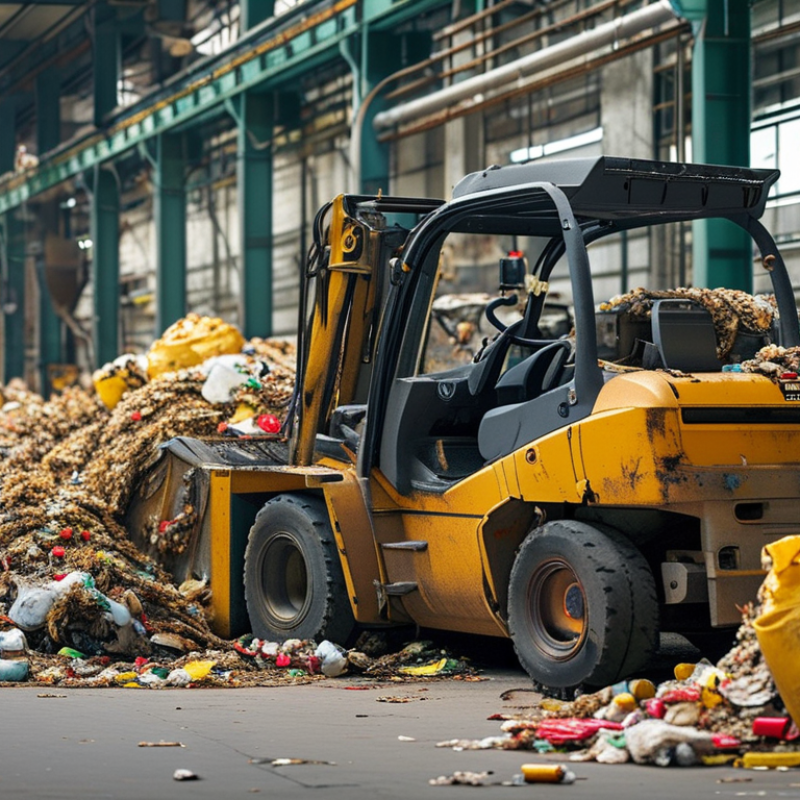
Types of Waste Bale Press Machines Available in the Market
Waste bale press machines are essential for effective recycling. They come in various types to meet diverse needs. Each type has unique features tailored for specific materials. According to industry reports, the global waste management market is expected to grow by 7% annually. This growth emphasizes the need for efficient waste handling solutions.
One common type is the vertical baler. This machine compacts materials like cardboard and plastic into bales. Vertical balers are space-efficient, ideal for businesses with limited floor space. They are reliable, yet they may not suit larger operations.
Horizontal balers, on the other hand, accommodate high volumes. They are better suited for facilities with large waste output. Despite their efficiency, initial costs for horizontal balers can be high.
Auto-tie balers offer automated operations that enhance productivity. These machines reduce manual labor and improve safety. However, users must ensure regular maintenance to avoid downtime. Reports indicate that maintenance issues can lead to a 20% reduction in productivity. Understanding the different types is crucial for selecting the right equipment, making informed decisions essential for successful waste management.
Key Features to Consider When Choosing a Bale Press Machine
When selecting a waste bale press machine, durability stands out as a vital aspect. Machines made from sturdy materials can withstand the rigors of daily operations. These machines operate in challenging environments. Choose one that can handle wear and tear effectively, ensuring longevity and consistent performance.
Efficiency is another crucial feature. A high-capacity machine reduces operational downtime. Look for models that can achieve compact bales quickly. This helps in saving time and labor costs. Consider power consumption as well. An energy-efficient machine can lead to significant savings over time.
Ease of use is essential, too. Intuitive controls make training staff easier. Safety features should not be overlooked. Emergency stops and protective guards minimize risks during operation. Regular maintenance tools and accessible parts are benefits worth considering. These details contribute to a reliable and efficient recycling process.
Benefits of Using Waste Bale Press Machines for Recycling
Waste bale press machines are vital for effective recycling. They help compact materials such as cardboard, plastics, and paper into manageable bales. This process significantly reduces waste volume. According to a recent report by the Environmental Protection Agency, recycling efforts could increase by nearly 30% with proper baling techniques.
Utilizing these machines enhances efficiency. They streamline the sorting process and save time. In fact, a study from the International Solid Waste Association indicates that operational costs can be cut by as much as 20% when using baling technology. This not only benefits businesses but also promotes sustainability in waste management.
Tips: Always ensure proper training for staff using these machines. Regular maintenance is crucial for optimal performance. Evaluate the types of materials you process; some may require specific baling adjustments.
Though bale press machines are effective, there are challenges. Incorrect usage can lead to jams. Additionally, not all materials can be baled effectively. Implementing a trial period may help in making necessary adjustments. Investing time to understand the machine’s capabilities can yield better results.
Top Brands and Models of Waste Bale Press Machines
When selecting waste bale press machines, efficiency is key. Numerous brands and models promise effective recycling solutions. Industry reports show that modern machines can reduce waste volume by up to 90%. This dramatic compression plays a vital role in optimizing space for storage and transport.
Certain features define top-performing bale press machines. User-friendly controls and durable build quality enhance the experience. Machines with automatic feed mechanisms save time and labor costs. According to manufacturers, reliable machines have an average lifespan of 10 years with proper maintenance. Attention to material compatibility is critical; some models excel at handling plastics while others focus on cardboard.
Tips: Regular maintenance ensures longevity. Always read user reviews for real-world insights. Consider scalability if your recycling operation grows. A machine that fits today’s needs might not suffice for tomorrow’s demands. Balancing efficiency with adaptability is essential for success in waste management.
Maintenance Tips for Ensuring Optimal Performance of Bale Press Machines
Maintenance is crucial for the optimal performance of bale press machines. Regular inspections can identify wear and tear early. Check hydraulic systems regularly. Look for leaks or low fluid levels. A quick assessment can prevent bigger issues later. Keep the machine clean. Dust and debris can cause malfunctions. Use a soft brush to remove buildup.
Lubrication is another important aspect. Ensure all moving parts are adequately greased. This reduces friction and extends the machine's lifespan. Over time, belts can stretch or wear out. Examine these regularly and replace them if needed. Reliable maintenance practices can save money. They also enhance efficiency.
Operators should receive proper training. Knowledgeable staff can troubleshoot minor issues. This helps avoid downtime. Document all maintenance activities. A record provides accountability and insights into patterns. Make adjustments based on these insights. Constant improvement is key to long-term efficiency.