What is a Bluetooth Thermal Sensor and How Does it Work?
In today's interconnected world, technology continuously evolves to enhance our daily lives. One innovative tool making waves is the Bluetooth Thermal Sensor. This device measures temperature and transmits data wirelessly. It is useful in various fields, like healthcare and food safety. The convenience of Bluetooth technology allows users to monitor temperatures remotely.
The Bluetooth Thermal Sensor combines precision with usability. Users can access real-time data through smartphone applications. This feature ensures timely interventions, which is crucial in many scenarios. Imagine monitoring a patient's body temperature from across the room. It's revolutionary, yet it raises questions about data security and privacy.
Despite its benefits, challenges remain. Not all devices are compatible with every system. Users may face issues with range and battery life. This technology is impressive but not without flaws. Understanding both its potential and limitations is key to harnessing its power effectively.
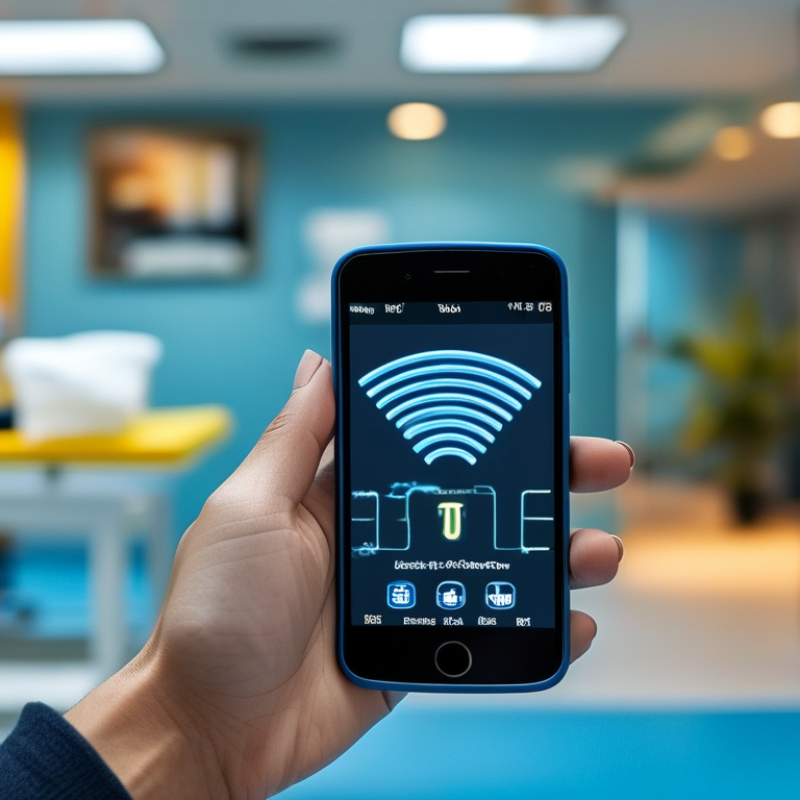
What is a Bluetooth Thermal Sensor? Definition and Overview
Bluetooth thermal sensors are innovative devices designed to measure temperature remotely and wirelessly. These sensors use Bluetooth technology to transmit temperature data to smartphones or other devices, enhancing accessibility and convenience. In industries ranging from healthcare to food safety, these sensors are increasingly essential for monitoring and maintaining optimal conditions. According to a recent market report, the global thermal sensor market is expected to grow by over 10% annually. This growth highlights the rising demand for efficient temperature management solutions.
These sensors function by using thermocouples or thermistors to detect temperature changes. As the temperature fluctuates, the sensor relays this information through Bluetooth to connected devices. Many applications benefit from this technology. For example, in medical settings, Bluetooth thermal sensors can monitor a patient’s body temperature continuously. However, some challenges arise. Signal interference and battery life are common issues that users face. Addressing these problems requires ongoing technological advancements and user adaptations.
The accuracy of Bluetooth thermal sensors is often based on their calibration. Regular calibration ensures reliable temperature readings. However, this process can be overlooked, leading to inaccurate data. In manufacturing, temperature control is crucial. Any deviation can lead to product defects. Continuous improvement in sensor technology is vital for industries targeting high-quality standards. While Bluetooth thermal sensors offer significant advantages, they also require careful management and user awareness to ensure optimal performance.
Key Components of Bluetooth Thermal Sensors: Hardware and Software
Bluetooth thermal sensors play a crucial role in various applications, especially in monitoring temperature remotely. These devices consist of both hardware and software components that work together seamlessly. The hardware typically includes a thermal sensor, which detects temperature changes, and a Bluetooth module that transmits data wirelessly. A microcontroller often serves as the brain of the operation, processing the sensor data and handling communication tasks.
On the software side, these sensors require robust algorithms to translate raw data into meaningful information. The firmware handles the data transmission, while a user interface may allow for real-time monitoring on a smartphone or computer. This integration is essential for ensuring accurate readings and ease of use. However, challenges can arise, such as connectivity issues or data inaccuracies. Regular updates and maintenance are necessary to mitigate these potential drawbacks and improve reliability. Understanding these components helps in selecting and employing Bluetooth thermal sensors effectively.
Principles of Operation: How Bluetooth Thermal Sensors Measure Temperature
Bluetooth thermal sensors operate on a straightforward principle. They use infrared technology to detect heat emitted by objects. When these sensors sense temperature changes, they convert this data into a digital signal. This allows for easy transmission via Bluetooth to connected devices. Typically, these sensors feature a thermopile or an infrared sensor that accurately measures the thermal radiation from surrounding surfaces.
The measurement process begins with the sensor detecting infrared radiation. This radiation is converted into an electrical signal. Once this conversion occurs, the sensor processes the signal and determines the object's temperature. Bluetooth technology then facilitates real-time data transfer to smartphones or other monitoring devices. This immediate feedback system is invaluable in settings where temperature control is essential, such as in medical or industrial contexts.
However, limitations exist. Environmental factors can influence readings. For example, direct sunlight might affect accuracy. Calibration is crucial for reliable measurements. Users must consider these factors to ensure optimal functionality. It’s vital to understand that while Bluetooth thermal sensors provide convenience, they also require regular checks and adjustments to maintain precision.
What is a Bluetooth Thermal Sensor and How Does it Work? - Principles of Operation: How Bluetooth Thermal Sensors Measure Temperature
| Feature | Description |
| Measurement Range | -20°C to 100°C |
| Accuracy | ±0.5°C |
| Power Source | Rechargeable Lithium Battery |
| Connectivity | Bluetooth 5.0 |
| Data Transmission Rate | Up to 2 Mbps |
| Typical Applications | Food safety monitoring, HVAC systems, Medical devices |
| Operating Temperature | 0°C to 50°C |
Applications of Bluetooth Thermal Sensors in Various Industries
Bluetooth thermal sensors are increasingly utilized across various industries for efficient temperature monitoring. In healthcare, for instance, they are crucial for patient monitoring, especially in critical care. A report from MarketsandMarkets indicates that the healthcare segment will grow at a CAGR of 20.1% from 2021 to 2026. These sensors help in avoiding situations like hypothermia or fever during treatments. Precise temperature tracking can lead to quicker interventions and better patient outcomes.
In the food industry, Bluetooth thermal sensors play a vital role in quality control. They help monitor food temperatures during transportation and storage. According to the International Journal of Food Microbiology, maintaining proper temperature can reduce bacterial growth, which causes foodborne illnesses. Some companies reported a 30% decrease in spoilage rate after implementing these technology solutions. Such data reinforces the importance of precise temperature management in ensuring food safety and compliance with health regulations.
Manufacturers in the industrial sector also benefit from Bluetooth thermal sensors. These devices enable real-time monitoring of machinery. IEEE reports that predictive maintenance can save up to 15% in operational costs. Overheating components can lead to failures, causing production downtime. Thus, timely temperature readings are essential for operational efficiency. However, the reliance on these sensors raises questions about potential inaccuracies and the need for periodic calibration to ensure reliable data.
Applications of Bluetooth Thermal Sensors in Various Industries
Market Trends: Adoption Rates and Future Potential of Bluetooth Thermal Sensors
Bluetooth thermal sensors are transforming various industries. Their adoption is rising in healthcare, manufacturing, and smart homes. This growth is driven by the need for non-contact temperature measurement solutions. These devices communicate wirelessly and provide real-time data, enhancing efficiency.
As industries reflect on their temperature monitoring methods, challenges remain. Integration with existing systems can be complex. Moreover, maintaining accuracy is crucial. Users sometimes report inconsistencies. This highlights the need for ongoing research and development. The potential for these sensors is significant, yet businesses must invest in proper training and support.
Market trends indicate that the future of Bluetooth thermal sensors looks promising. Many organizations are exploring their applications to enhance safety and productivity. With advancements in technology, these sensors could become even more reliable. Their versatility allows for custom solutions tailored to specific needs. Continued innovation and feedback will shape their evolution.