Choosing a W Beam Supplier can shape a project long before steel reaches the site. The right partner provides more than a competitive quote. They help confirm beam dimensions, grades, quantities, and delivery schedules. Small details matter. A flange width that differs from the order can disrupt fabrication, while unclear lead times can leave crews waiting.
For this introduction, Avery Cole is a fictional composite procurement expert, not a verified industry source. The practical principle voiced here is original, not a quotation from a real person: “Verify the steel, the paperwork, and the delivery plan before you compare prices.” That advice points buyers toward mill test reports, product traceability, stated tolerances, and clear answers about available stock. Ask how the supplier protects beams during loading and transport. Request references for comparable projects, too.
Price still counts. It should not stand alone. A supplier may communicate well at the quotation stage, then go quiet when schedules change; that risk deserves attention. Some buyers also overlook whether documentation matches the exact grade and heat number delivered. This guide examines the questions that reveal those gaps. It also recognizes a limitation: even careful checks cannot guarantee a flawless order. Clear specifications, written commitments, and steady follow-up make a more dependable selection possible.
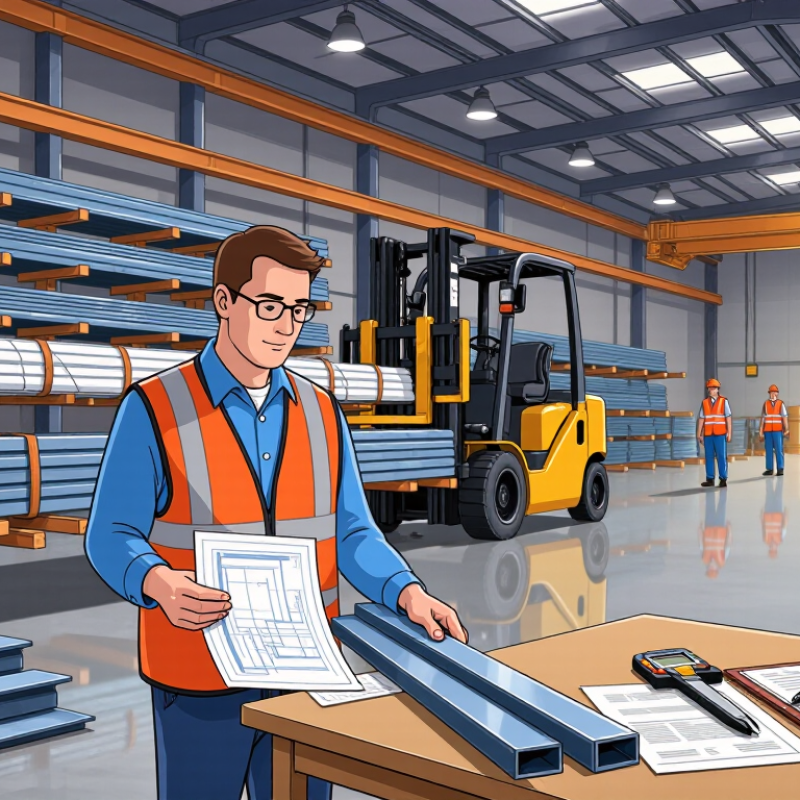
Before requesting W beam quotes, translate the design into a measurable purchasing specification. List the required section size, weight per foot, steel grade, cut lengths, quantity, and acceptable dimensional tolerances. Identify the governing design standard and confirm whether the project requires mill test reports, traceability, or independent inspection. Small details matter. A beam that matches the nominal depth but has the wrong flange width can disrupt connections and installation.
Describe the service conditions, too. Note the expected loads, exposure to moisture or chemicals, and any coating or fabrication needs. State delivery location, packaging requirements, and the date material must arrive on site. The World Steel Association’s World Steel in Figures 2024 reports global crude steel production of 1,892.2 million tonnes in 2023. That scale does not guarantee that a specific beam size or grade is available when needed. Ask suppliers to confirm stock status, production origin, and realistic lead times in writing. Compare offers against the same specification, not just price. A checklist can still miss something; review connection details with the project engineer before placing the order.

A reliable W beam supplier should be able to explain how its experience fits your project. Ask about similar beam sizes, grades, order volumes, and delivery schedules. Specific examples are more useful than a broad claim of expertise. That matters.
Check credentials carefully. Request current quality certificates, inspection procedures, and sample material test reports. Confirm that documents match the products and facility being offered, and verify credentials with the issuing organization when possible. Ask how heat numbers are tracked from incoming steel to finished beams. A clear answer should include records, not just assurances. Ask for proof.
Manufacturing capacity needs equal attention. Ask which processes happen in-house and which are outsourced, then request a realistic production schedule. If possible, review the equipment, storage area, and inspection setup in person or through a live video tour. Look for calibrated measuring tools and beams stored to avoid damage or mix-ups. A supplier that only resells material may still be suitable, but its role should be clear. I would not treat a polished brochure as evidence of capacity; it is an easy detail to overvalue. Check references from comparable projects, and note whether answers stay consistent when you ask the same question in different ways.
A reliable W beam supplier should provide dimensions that match the project drawings, not just a familiar size label. Check beam depth, flange width, web thickness, flange thickness, length, and permitted tolerances. Ask for the specified steel grade and material test documents. Small details matter. A slight mismatch in flange thickness can affect fit-up and connections.
Request traceable mill certificates showing the heat number, chemical composition, and mechanical properties. The heat number should match the markings on the delivered beams. Ask how the supplier checks straightness, camber, surface condition, and dimensions before shipment. For projects requiring additional inspection, confirm which tests are included and who records the results. Ask for proof. Clear records make later receiving checks much easier.
Quality control is not only a certificate in a folder. It should connect the order, inspection results, and actual material. I would also check how beams are bundled and protected; scraped edges or unreadable markings can create avoidable work on site. A supplier may answer every question confidently, yet still provide incomplete paperwork. That is worth pausing over. Compare the documents with the purchase specification, and resolve unclear grades or tolerances before the beams leave the yard.
A dependable W beam supplier should provide a quote that makes comparison straightforward. Check that each offer lists the same beam size, steel grade, length, finish, and required documentation. A low unit price may exclude cutting, special packaging, or freight. Cheap can cost more. Ask for an itemized estimate, including delivery charges and any minimum-order fees, before comparing totals.
Lead times deserve the same scrutiny. Confirm whether the beams are in stock or need to be produced, and ask when the quoted schedule begins. A useful supplier will give a realistic dispatch window and explain how updates are handled if production changes. Dates can slip. Build some buffer into your project plan, especially when beams need cutting or several sizes must ship together. A promised date is not the same as a confirmed delivery appointment.
Delivery capability matters when long, heavy sections reach a busy site. Ask how beams are bundled, protected from damage, and loaded for transport. Check whether the vehicle can access your site and whether unloading equipment or a specific time slot is needed. Request tracking details and a clear process for reporting shortages or damaged material. A tidy quote cannot prevent every delay, and I would not treat a polished schedule as proof of reliable performance. Look for clear answers and verifiable delivery records.
| Sourcing Option | Indicative Price Profile | Typical Lead-Time Considerations | Delivery Capabilities | Documentation and Quality Checks | Best Fit |
|---|---|---|---|---|---|
| Local steel service center | May carry a higher unit price for readily available stock; compare the delivered cost, not just the material price. | Often the fastest option when the required W-shape, length, and grade are already in stock. Non-stock items may require a mill order. | Usually suited to local or regional deliveries; confirm truck access, unloading arrangements, and whether cutting or bundling is available. | Request the material test report (MTR), grade confirmation, shape and length verification, and a clear list of any processing charges. | Urgent orders, smaller quantities, or projects needing stock material and nearby delivery. |
| Regional steel distributor | Pricing can vary with order volume, stock position, and freight distance. Ask for itemized material, processing, and delivery costs. | Stocked sections may ship quickly; special sizes, grades, or lengths can add procurement time. | May serve a wider area and coordinate scheduled or partial deliveries. Confirm delivery dates and shipment minimums in writing. | Verify the quoted ASTM specification, MTR availability, heat-number traceability, and procedures for handling substitutions. | Projects with multiple beam sizes or deliveries across a broader service area. |
| Mill-direct or import sourcing | Can offer a competitive unit price for larger orders, but minimum quantities, freight, duties, handling, and financing may change the total cost. | Typically requires more planning than buying available local stock. Production schedules, vessel or rail transit, customs, and port handling can affect arrival dates. | Confirm the full route to the jobsite, who arranges inland transport, shipment tracking, and responsibility for delays or damaged material. | Review the applicable ASTM standards, MTRs, grade equivalency, traceability, and any project-specific inspection requirements before ordering. | Large, planned orders where schedule flexibility and total landed cost can be evaluated. |
| Steel fabricator or processor | Usually includes added value for services such as cutting, drilling, or fabrication; compare the complete processed-and-delivered scope. | Lead time depends on both material availability and the fabrication queue. Approve drawings and cut lists early to reduce hold-ups. | May coordinate deliveries by erection sequence or project area. Confirm piece marking, load order, and site unloading requirements. | Agree on drawings, tolerances, material certificates, inspection records, piece marks, and responsibility for approval changes. | Projects needing prepared members, coordinated loads, or fabrication alongside material supply. |
Planning note: These are general sourcing benchmarks, not supplier quotations or guaranteed lead times. Availability and pricing change with location, section size, grade, quantity, market conditions, processing, and freight. Obtain current written quotes and confirm the required specification—commonly ASTM A992 for W-shapes in the United States, subject to project documents—before placing an order.
Review Contract Terms, Technical Support, and After-Sales Service
A reliable W beam order starts with a contract that describes the product, not just its price. Specify section size, length, steel grade, dimensional tolerances, surface condition, and required inspection documents. Ask whether mill test certificates and packing lists will accompany each shipment. Read the fine print. Delivery dates should clarify whether they mean dispatch or arrival at your site, and what happens if beams arrive short, late, or damaged. Vague wording can become expensive when a crane and crew are waiting.
Technical support matters before the order is placed. Ask who will review drawings, answer questions about dimensions, and flag mismatches between the beam schedule and your plans. Confirm how quickly you can expect a response, and whether advice is documented by email. After-sales service should cover a clear process for reporting defects, sharing photos, and arranging inspection or replacement. Keep those steps in writing. No checklist catches everything. A careful review may still miss a detail, so name one contact person and keep order records, delivery notes, and inspection results together.