The Disconnecting Switch Post Insulator is a crucial component in electrical systems. It plays a significant role in maintaining safety and efficiency. This insulator is specifically designed to support the disconnecting switch and prevent electrical leakage. It ensures that high voltage lines operate without interruptions.
In industrial settings, the Disconnecting Switch Post Insulator must withstand challenging conditions. Extreme temperatures and weather changes may affect its performance. Regular inspections and maintenance are paramount. Users often overlook the importance of these procedures. They may realize too late that a malfunction could lead to severe consequences.
Applications of the Disconnecting Switch Post Insulator vary. They are widely used in power generation and distribution. These insulators protect equipment and personnel alike. Proper installation and selection are essential for optimal function. However, not all users are fully aware of their specifications. This knowledge gap can lead to issues, highlighting the need for better education in the field.
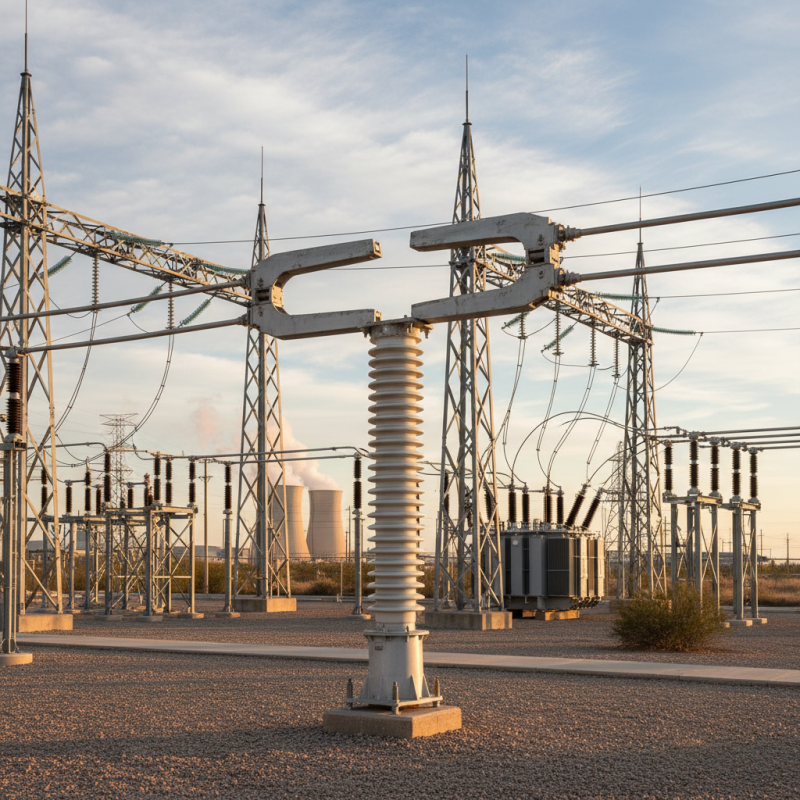
Disconnecting switch post insulators play a crucial role in electrical systems, particularly in substations. These insulators are designed to provide electrical insulation between the energized components and the ground, ensuring safety and reliability. They typically feature a robust ceramic or composite construction, which is essential for withstanding high voltage levels. According to industry reports, the global market for these insulators is projected to reach $5.2 billion by 2028, driven by increasing energy demands and infrastructure upgrades.
The function of a disconnecting switch post insulator is vital in maintaining system integrity. When lines need maintenance or repairs, these insulators allow operators to safely disconnect portions of the circuit. The insulators also prevent electrical discharge, which can lead to dangerous faults. The design must withstand not just electrical stresses but also environmental conditions. In some cases, insulators can fail due to contaminants or mechanical stress, posing risks that need addressing.
Continuous innovation in insulator materials is critical. Advanced composite insulators show promise in reducing weight and increasing durability. However, challenges remain. Some composite materials degrade under UV exposure over time. Regular maintenance and inspections are necessary to mitigate these risks. The need for reliable performance cannot be overstated, especially as electric grids evolve to handle more renewable energy sources.

Post insulators are critical components in the electrical industry. They ensure reliable insulation for disconnecting switches. The design features of these insulators are key to their effectiveness and durability. Typically, they are made of materials like porcelain or polymer compounds. Both offer high electrical insulation properties and resistance to environmental factors.
The main components include the insulator body, end fittings, and support structures. The insulator body must withstand mechanical stress and electrical loads. Notably, the end fittings enable secure connections to electrical equipment. They also need to endure vibrations and thermal variations. The design must incorporate proper spacing to prevent arcing and short circuits.
Challenges often arise in the design process. Ensuring optimal material selection is crucial but may lead to trade-offs in cost. Engineers need to balance performance with budget constraints. Testing for long-term reliability is vital. An insulator's lifespan can vary under different conditions. Understanding these factors helps improve designs and applications in real-world installations.
| Component | Material | Voltage Rating (kV) | Application | Design Feature |
|---|---|---|---|---|
| Post Insulator | Porcelain | 33 kV | High Voltage Transmission | High Mechanical Strength |
| Disconnecting Switch | Composite | 66 kV | Switchgear | Lightweight Design |
| Insulator Base | Glass | 132 kV | Substation | Corrosion Resistant Coating |
| Crossarm Insulator | Polymer | 220 kV | Overhead Lines | Weather Resistant |
Disconnecting switch post insulators play a crucial role in electrical systems. They serve as vital components in isolating electrical circuits during maintenance or repair. These insulators ensure that when a circuit is disconnected, it remains safe and insulated from live parts. Their reliable performance helps prevent accidents and ensures the smooth operation of power systems.
There are several types of disconnecting switch post insulators. Porcelain insulators are widely used due to their excellent durability and resistance to harsh weather. They provide effective insulation for high-voltage applications. Composite insulators, made from polymer materials, are lighter and often easier to handle. These are suitable for environments where weight is a critical factor. Glass insulators, while less common, offer superior visibility, making them a choice for certain specialized applications.
Each type has specific advantages and limitations. For example, while porcelain offers durability, it can be prone to cracking. Composite insulators may degrade over time due to environmental factors. Understanding these nuances is essential for selecting the right insulator for specific applications. Proper assessment can make a significant difference in reliability and safety in electrical operations.
Post insulators play a critical role in electrical power systems, serving as the backbone of disconnecting switch assemblies. These insulators maintain the necessary electrical isolation for high-voltage applications. They are essential in switchyards, substations, and other critical installations, where they ensure safe and reliable operations. According to a report by the International Energy Agency, the demand for robust insulator technology is driven by the rapid growth in renewable energy integration.
In 2022, the global market for post insulators was valued at approximately $1.5 billion, with a projected growth rate of 6% annually. This growth indicates an increasing need for efficient energy transmission systems. Post insulators help prevent electrical leakage and minimize the risk of outages. In areas prone to extreme weather, the design of these insulators can significantly impact performance and safety.
Tips: Regular maintenance is crucial for post insulators. Inspecting them for cracks and environmental wear can prevent unexpected failures. Ensure insulation strength is monitored, especially in high-stress environments. The manufacturing quality of these insulators also affects their longevity; investing in high-quality products pays off in the long term.
Disconnecting switch post insulators play a crucial role in electrical systems. They ensure safety and reliability in high-voltage environments. These insulators support disconnecting switches and maintain electrical isolation. Their design helps withstand environmental factors like temperature and humidity.
Using disconnecting switch post insulators has notable benefits. They enhance the safety of electrical operations by preventing accidental contact with live circuits. Their durable materials resist electrical erosion, contributing to a longer service life.
However, challenges exist. Installation can be complex, requiring skilled labor and precise placement. Over time, insulators may accumulate dirt or debris, affecting their performance.
Regular maintenance is essential to address these challenges. Insulators must be inspected and cleaned to ensure functionality. Proper training for installation and maintenance supports long-term reliability. Balancing the benefits and challenges is key to optimizing the use of disconnecting switch post insulators in electrical networks.