Why is an Electrical Harness Essential for Modern Technology?
In the rapidly evolving landscape of modern technology, the role of an electrical harness cannot be overlooked. As noted by industry expert Dr. Michael Graham, “An electrical harness is the backbone of electrical systems in devices we rely on every day.” These intricate assemblies of wires and connectors ensure that electronic devices function efficiently.
Electrical harnesses are pivotal in various applications, from automobiles to smartphones. They organize and protect wiring, preventing tangles and damage. However, many overlook their impact on productivity and safety. A poorly constructed harness can lead to malfunctions, creating costly setbacks.
Despite being crucial, there's a lack of awareness surrounding electrical harnesses. Some may see them as mere components, dismissing their significance. It's essential to recognize their importance in delivering reliable performance in technology. Understanding their role can lead to taking better care of devices we use daily.

The Definition and Functionality of an Electrical Harness
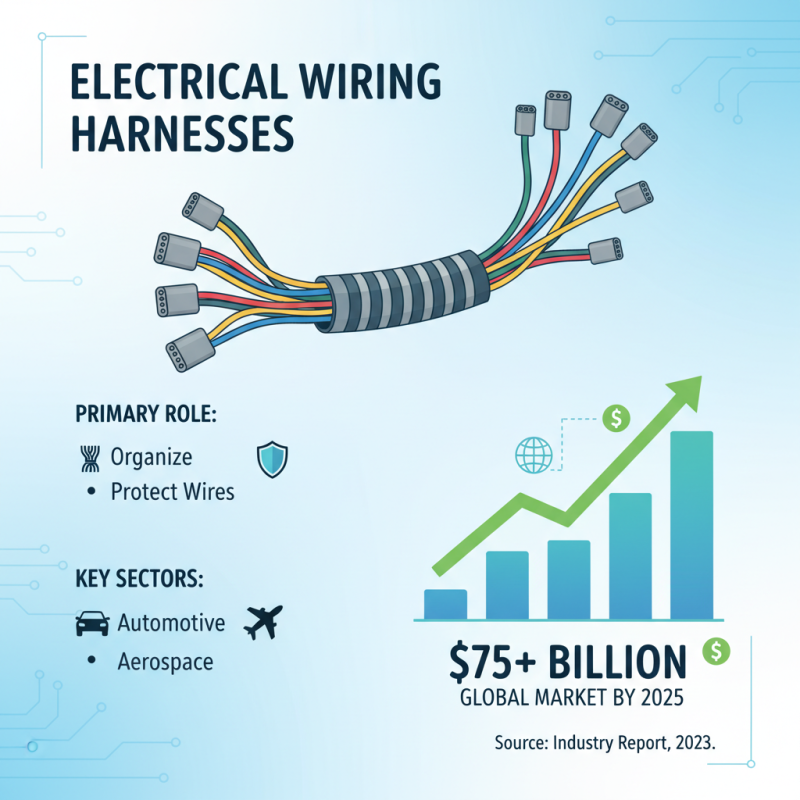
An electrical harness is a structured assembly of cables and connectors. Its primary role is to organize and protect electrical wires within devices. With the rise in technology complexity, the need for efficient wiring systems has surged. According to a recent industry report, the global market for wiring harnesses is expected to reach over $75 billion by 2025, highlighting their critical role across various sectors, including automotive and aerospace.
The functionality of an electrical harness is multifaceted. It simplifies installation, reduces the risk of short circuits, and minimizes space. This is particularly crucial in compact devices where every inch counts. Additionally, a well-designed harness can enhance the durability of electrical components. However, despite these advantages, manufacturers often overlook the need for quality materials. Poorly constructed harnesses may lead to premature failures, which can be costly. A detailed study suggests that nearly 30% of electrical failures in vehicles stem from wiring issues, emphasizing the importance of effective harness design.
These systems also face challenges in maintaining compatibility with advanced technologies. The ongoing shifts toward electric vehicles necessitate new designs that cater to higher voltage requirements. Innovators must remain vigilant, as outdated designs can hinder performance in modern applications. Understanding these complexities can lead to better manufacturing practices and ultimately, reliable technology.
Components That Make Up an Electrical Harness
Electrical harnesses are vital for modern technology. They consist of several key components that work together seamlessly. Wires, connectors, and terminals form the core of this assembly. Wires carry electrical signals. Connectors join different parts. Terminals provide points for connecting to other systems.
Shielding is another important element. It protects wires from interference. This is crucial in sensitive electronic devices. Insulation ensures safety and prevents short circuits. Moreover, we often overlook the importance of routing. Correct routing reduces wear and tear over time.
However, building an effective electrical harness isn’t always easy. Mistakes can lead to failures. Inadequate insulation or poor connections can cause issues. Real-world testing is essential. Without it, ensuring reliability becomes challenging. This complexity reflects the need for continuous improvement in design and assembly processes. Balancing efficiency and durability remains an ongoing challenge for engineers.
Applications of Electrical Harnesses in Various Industries
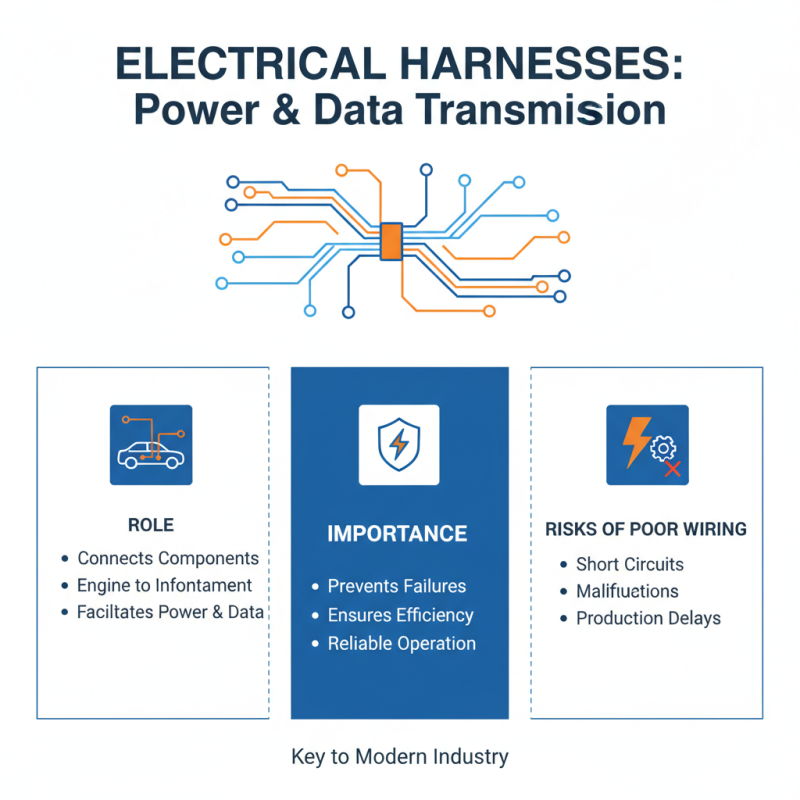
Electrical harnesses play a vital role in numerous industries, facilitating the efficient transmission of power and data. In automotive manufacturing, they connect components from the engine to the infotainment system. A well-designed harness helps prevent electrical failures. However, poor wiring can lead to shorts or malfunctions, causing significant delays.
In aerospace, electrical harnesses ensure connectivity between various devices on an aircraft. These harnesses must be lightweight yet durable to withstand harsh conditions. Regular checks are essential to maintain safety and functionality. It's crucial to avoid shortcuts during installation to prevent any future issues.
In renewable energy, harnesses connect solar panels to inverters and batteries. The reliability of these connections directly impacts energy efficiency. Regular maintenance is key. Sometimes, overlooked connections can cause inefficiencies that drain performance. In every application, understanding the nuances of your electrical harness system is vital.
Benefits of Using Electrical Harnesses in Modern Technology
Electrical harnesses play a critical role in modern technology. They organize and protect various electrical wires and connections. This organization reduces the risk of short circuits and electrical failures. In complex systems, a harness simplifies installation and maintenance. Fewer wires mean less clutter, making it easier to identify issues.
Tip: Always check the harness before installation. Look for any signs of wear or damage. A small oversight can lead to costly repairs later.
Using electrical harnesses enhances reliability. Many industries depend on this technology for safety. Automotive, aerospace, and consumer electronics all utilize them. Harnesses help regulate power flow and reduce electromagnetic interference. This improves performance and longevity in devices.
Tip: Choose the right materials for the harness. Not every material suits every environment. Consider factors like temperature and exposure to chemicals.
While electrical harnesses offer numerous benefits, they require careful design. Rushing the design process can lead to problems. Options like size, configuration, and shielding must be considered thoroughly. Investing time in planning can make a significant difference in the final product's performance.
Why is an Electrical Harness Essential for Modern Technology? - Benefits of Using Electrical Harnesses in Modern Technology
| Dimension |
Description |
Benefits |
| Durability |
Resistant to environmental stress and wear |
Increases lifespan of components |
| Organization |
Structurally arranges wiring to reduce clutter |
Simplifies maintenance and repairs |
| Safety |
Minimizes risk of electrical shorts |
Protects users from electrical hazards |
| Efficiency |
Streamlines power delivery to components |
Improves overall system performance |
| Customization |
Tailored designs for specific applications |
Meets unique needs of different technologies |
Challenges and Innovations in Electrical Harness Design
The electrical harness plays a crucial role in modern technology, yet its design faces several challenges. As the demand for compact and lightweight solutions increases, complexities arise in integrating multiple components. Reports suggest that by 2025, the global market for electrical harnesses will reach USD 70 billion. This underscores the need for innovative approaches in harness design.
One pressing challenge is ensuring the durability and flexibility of these harnesses. With vehicles becoming smarter and more automated, harnesses need to adapt to harsher environments. The fallout from using subpar materials can lead to serious failures. For example, researchers found that nearly 30% of automotive electrical failures stem from poor harness construction. The industry must address these gaps continually.
Innovation in materials is a potential pathway for improvement. Developing lighter, yet more resilient, materials can enhance performance. A recent study indicated that incorporating advanced composites in harness construction improved lifespan by up to 40%. Striking a balance between cost and performance remains a towering task. These challenges remind us of the need for ongoing research and development in electrical harness design.