A Flat Laminating Machine bonds two or more flat materials into a stronger, cleaner, and more functional surface. It is widely used for printed boards, packaging panels, furniture components, insulation sheets, and industrial composites. The machine may appear straightforward. Its results depend on several controlled details.
In practice, an operator places the substrate and covering layer on a feed table. Rollers then guide both materials through the laminating section. Depending on the design, heat softens the adhesive while pressure removes air pockets and improves contact. Some machines use heated rollers, while others rely on cold pressure or pre-coated films. The finished panel usually passes through a cooling or flattening stage before inspection.
Small changes matter.
Temperature, roller pressure, speed, and adhesive thickness must match the material combination. Excessive heat can distort plastic films or damage printed surfaces. Insufficient pressure may leave bubbles, wrinkles, or weak edges. Experienced operators often test a small sample before full production, especially when materials have different expansion rates. That practical step can prevent costly waste.
A reliable explanation should also recognize the machine’s limits. No single setting works for every film, board, or adhesive. Manufacturer specifications provide a necessary starting point, but real production conditions still require adjustment. This guide explains how a Flat Laminating Machine works, what its main components do, and which operating factors influence bonding quality. Some applications remain less predictable than expected, so careful observation and documented testing are essential.
A flat laminating machine is equipment designed to bond a protective film or layer onto a flat surface.
It commonly handles paper, printed sheets, cards, boards, panels, and other smooth materials. The machine uses a level working table, pressure rollers, and controlled heat or adhesive. These parts help create a firm, even bond.
The operation is straightforward. An operator places the material on the table and aligns the laminating film above it. The machine then feeds both layers through heated or pressure-controlled rollers. Heat may soften the adhesive, while pressure removes small air pockets.
The finished sheet leaves with a smoother surface and better resistance to moisture, scratches, and handling. In practical production, alignment affects the result more than many beginners expect. A slight angle can create wrinkles or exposed edges. The process is not foolproof.
Flat laminators suit workshops, print departments, schools, and sign-making operations. Their flat format supports careful positioning before bonding. However, the correct temperature and pressure depend on material thickness and adhesive type. Excessive heat can distort thin sheets. Insufficient pressure can cause weak areas.
Tips:
Clean the surface before laminating. Remove dust and loose fibers. Test one sample first. Check the film direction carefully. Watch for bubbles near corners. Do not rush the feed speed. A small setup mistake may ruin an otherwise useful sheet.
A flat laminating machine bonds a protective film to a flat sheet using heat, pressure, or both. It is commonly used for paper, photographs, labels, menus, and printed boards. During operation, the material travels through a controlled path. The film then seals around its surface.
The frame keeps the machine stable during feeding and pressing. A film holder supports the roll and maintains steady unwinding. The feed table guides each sheet into the rollers. Small alignment errors can cause wrinkles. I have found that careful positioning often matters more than speed. The laminating rollers apply even pressure across the material. Rubber rollers usually improve contact and reduce surface marks.
A heating system softens the adhesive layer on thermal film. Sensors monitor temperature near the rollers, while a control panel adjusts heat and speed. Some machines include cooling rollers or fans to stabilize the finished sheet. A cutting unit trims excess film after lamination. Guard covers and emergency controls also protect operators during routine work. They should never be ignored.
Material thickness, moisture, and roller pressure affect the final result. Excessive heat may distort thin paper. Too little heat may leave cloudy edges or weak bonding. Regular cleaning is essential, although it is easy to overlook. A practical inspection should check rollers, sensors, film tension, and electrical connections before production. No setup is perfect. Test sheets remain necessary.
| Main Component | Primary Function | How It Works | Typical Materials or Media | Process Stage | Key Operating Considerations |
|---|---|---|---|---|---|
| Machine Frame and Bed | Provides structural support and maintains alignment between the worktable, heating system, and pressure assembly. | The rigid frame supports the load generated during pressing and helps keep the laminating surfaces parallel. | Fabricated steel, aluminum, or engineered structural panels. | All stages | Flatness, rigidity, vibration control, and accurate leveling affect final bonding quality. |
| Worktable or Loading Platform | Supports the substrate and laminate during loading, positioning, pressing, and unloading. | The material stack is placed on the flat surface and aligned with stops, guides, or registration marks. | Decorative panels, furniture boards, insulation panels, composites, printed sheets, and foils. | Loading | The surface should be clean, level, smooth, and large enough for the intended panel size. |
| Upper Press Plate or Platen | Transfers pressure evenly across the laminate assembly. | The platen moves downward or closes against the worktable, compressing the adhesive and bonded layers. | Steel platen, aluminum platen, or a composite pressure surface. | Pressing | Parallelism, surface flatness, pressure distribution, and platen cleanliness are important. |
| Heating System | Raises the laminate stack to the temperature required to activate or cure the adhesive. | Electrical heating elements, thermal oil, or another controlled heat source transfers heat through the platen or worktable. | Hot-melt adhesives, thermoplastic films, heat-activated films, and thermosetting adhesive systems. | Heating | Temperature uniformity, heating rate, dwell time, and thermal compatibility with the substrate must be controlled. |
| Cooling System | Reduces the temperature of the bonded assembly before release or handling. | Cooling may use air circulation, water-cooled platens, chilled fluid, or passive heat dissipation. | Heat-sensitive panels, thermoplastic laminates, coated sheets, and adhesive films. | Cooling | Controlled cooling helps reduce warping, shrinkage, blistering, and bond movement. |
| Pressure Generation Unit | Creates the compressive force needed to bring the laminate and substrate into close contact. | Hydraulic cylinders, pneumatic actuators, mechanical screws, or electric drive systems move the press plate. | Rigid panels, flexible laminates, veneers, films, foils, and composite layers. | Pressing | Pressure should be sufficient for the adhesive and materials without crushing the substrate or causing squeeze-out. |
| Hydraulic or Pneumatic Circuit | Controls the movement and force of the pressing mechanism on machines using fluid or compressed air. | A pump or compressor supplies fluid or air to cylinders, while valves regulate direction, speed, and pressure. | Hydraulic oil or filtered compressed air, depending on machine design. | Closing and opening | Leak prevention, pressure stability, filtration, and routine maintenance support consistent operation. |
| Adhesive Application System | Applies a controlled layer of adhesive when the laminate process uses liquid or hot-melt adhesive. | Rollers, nozzles, coating bars, or manual application distribute adhesive over the bonding surface. | Water-based adhesive, solvent-based adhesive, reactive adhesive, or hot-melt adhesive. | Preparation | Coating weight, open time, viscosity, surface cleanliness, and adhesive compatibility influence bond strength. |
| Release Sheet or Protective Layer | Prevents adhesive from bonding to the press plate and helps protect the laminate surface. | The sheet is placed between the material stack and the platen, allowing the finished part to be removed cleanly. | Silicone-treated paper, PTFE-coated fabric, polyester film, or other release materials. | Stack preparation | The release layer must withstand the process temperature and remain free from wrinkles or contamination. |
| Alignment Stops and Guides | Maintain the position of the substrate, laminate, and protective sheets during pressing. | Fixed stops, side guides, pins, or registration systems establish repeatable panel placement. | Panels, sheets, foils, veneers, and multilayer assemblies. | Loading | Accurate alignment reduces overhang, edge mismatch, wrinkles, and uneven bonding areas. |
| Temperature Sensors | Measure the temperature of the platen, worktable, or material stack. | Thermocouples, resistance temperature detectors, or similar sensors send readings to the control system. | Metal platens, bonded panels, adhesive layers, and process tooling. | Heating and cooling | Sensor placement and calibration are essential because displayed temperature may differ from the material-core temperature. |
| Pressure Sensors or Gauges | Monitor the pressure applied during the laminating cycle. | A pressure transducer or gauge measures hydraulic, pneumatic, or mechanical force and displays the operating value. | Hydraulic fluid, compressed air, or mechanically generated press force. | Pressing | Readings should be checked against the machine’s rated capacity and the adhesive supplier’s process requirements. |
| Control Panel and Programmable Controller | Coordinates temperature, pressure, closing speed, dwell time, and cooling sequence. | The operator enters a recipe or set of parameters, and the controller activates heaters, valves, drives, and alarms. | Digital control interface, sensors, relays, valves, and programmable logic. | Cycle control | Clear parameter settings, alarms, interlocks, and repeatable recipes improve process consistency. |
| Safety Guards and Interlocks | Protect operators from hot surfaces, moving platens, pinch points, and unexpected machine movement. | Guards, emergency-stop devices, two-hand controls, light barriers, and door switches interrupt or prevent hazardous operation. | Safety-rated switches, barriers, emergency-stop controls, and protective enclosures. | All stages | Safety devices must remain functional, unobstructed, and compliant with applicable workplace requirements. |
| Ventilation or Exhaust Arrangement | Removes heat, moisture, fumes, or volatile compounds that may be released during bonding. | Local extraction or general ventilation carries emissions away from the working area. | Moisture, adhesive vapors, heated film emissions, and process heat. | Heating | Ventilation requirements depend on adhesive chemistry, temperature, production rate, and workplace regulations. |
| Typical Operating Sequence | Combines preparation, alignment, heating, pressure, dwell, cooling, and unloading into one controlled cycle. | The operator prepares the stack, closes the press, applies the programmed conditions, cools the assembly, and removes the finished laminate. | Substrate, adhesive, laminate layer, release sheet, and protective sheet. | Complete cycle | Correct material preparation and adherence to the adhesive manufacturer’s processing window are required for reliable results. |
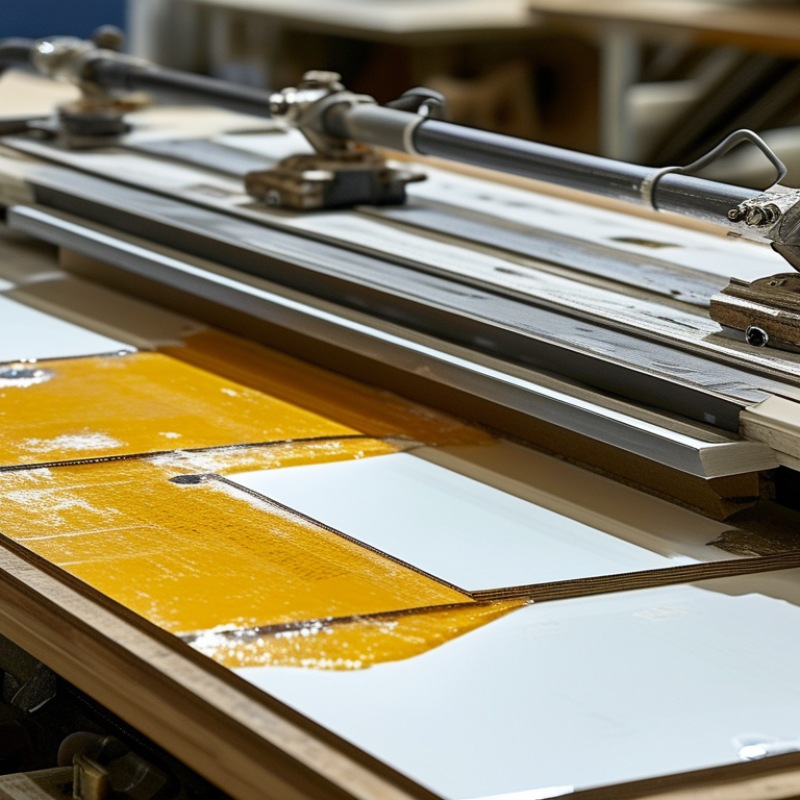
A flat laminating machine bonds two or more flat materials into one stable panel. It commonly combines plastic film, paper, fabric, wood, glass, or composite sheets. Unlike continuous roll equipment, it holds each workpiece on a level platen. This support helps control alignment, pressure, and surface contact. The method is useful when panels need clean edges, accurate dimensions, and a consistent finish.
The flat lamination process starts with inspection and cleaning. Dust, moisture, and fingerprints can create bubbles or weak areas. The operator places the base sheet on the platen, then aligns the adhesive layer and covering material. Small adjustments matter. A press applies controlled pressure across the panel. Heat may soften the adhesive and improve bonding, but the correct temperature depends on the material specification. Excessive heat can distort plastic or damage printed surfaces. Insufficient pressure may leave silvering, wrinkles, or unbonded corners. Cooling under pressure can also help the layers remain flat.
After pressing, the panel should rest before trimming or handling. Quality checks usually include edge inspection, surface observation, thickness measurement, and a small adhesion test. Experienced operators also record pressure, temperature, and dwell time for repeatable production. Results can still vary when material thickness or room humidity changes. That is easy to overlook. A technically correct setting may need adjustment after real production trials. Clean tooling and calibrated sensors provide more reliable results than visual judgment alone.
A flat laminating machine joins a protective film to a flat sheet using controlled heat, pressure, or both. Its working surface keeps the material steady while rollers press the film across the sheet. The result can improve durability, moisture resistance, and visual quality. Paper is easiest.
Common materials include documents, menus, posters, photographs, maps, labels, and printed packaging sheets. Cardboard can also be laminated when its thickness matches the machine’s working range. Synthetic paper and thin plastic sheets may work with suitable film and temperature settings. Cold laminating films can protect heat-sensitive prints, including inkjet images and certain adhesive graphics. Thermal films are useful for stable paper products, but excessive heat may curl thin sheets or damage delicate ink.
Some machines can process fabric panels, magnetic sheets, foam board, or thin veneer. However, these materials require careful testing because their surfaces absorb pressure differently. A textured sheet may trap air beneath the film. A flexible fabric may stretch near the roller edge. Film width, adhesive type, sheet thickness, and operating temperature all affect the bond. Test first.
In real production, material charts are helpful but incomplete. Even two papers with the same thickness may react differently because of coatings or moisture. Operators should inspect adhesion, flatness, edge sealing, and surface clarity after cooling. A slow pass is not always better. It can increase heat exposure and create distortion. When uncertain, use a small sample before processing the full sheet.
A flat laminating machine bonds a film, foil, paper, or board onto a flat substrate. It usually uses heated rollers, controlled pressure, and adhesive or thermal activation. The sheet enters the nip, where heat and pressure remove small air pockets. It then cools under tension before cutting or stacking.
Laminating quality depends on pressure, temperature, speed, adhesive coverage, and substrate moisture. Excessive heat can curl paper or distort printed graphics. Low pressure leaves silvering, wrinkles, or weak edges. The Global Flexible Packaging Market report by Smithers estimated the sector would exceed US$200 billion by 2028, increasing pressure for stable, high-speed production. Small process errors now affect larger material volumes.
Efficiency is not simply maximum speed. The 2023 PMMI Packaging Compass reported that labor and operational efficiency remain major packaging concerns. Operators should match speed with adhesive curing time and web tension. A practical check is simple: inspect the first sheet under angled light. Look for bubbles, dull patches, and edge lifting. Keep records for each material lot. Moisture changes can quietly alter bonding. It is easy to blame the machine. Sometimes, the substrate is the real variable. A perfect-looking sheet can still fail during folding or heat exposure. Testing peel strength and dimensional stability remains necessary, even when production appears smooth.