Hdpe Film is a lightweight, durable plastic film made from high-density polyethylene. You may see it wrapped around a pallet, lining a package, or protecting goods from dust and moisture. Its strength, low weight, and resistance to many chemicals make it useful across packaging, construction, agriculture, and manufacturing. Yet the name alone does not tell you everything. Thickness, additives, processing, and intended use all affect how a film performs.
For a reliable introduction to the subject, it helps to consider the practical trade-offs, not just the material’s advantages. A thin film may reduce material use, but it can tear under rough handling. A thicker grade may offer better protection, while adding weight and cost. Plastics engineer and author Michael Tolinski is a relevant expert voice on polymer materials and sustainability. I can’t verify a verbatim statement from him about Hdpe Film, so I won’t present an invented quotation as his words. That matters: trustworthy technical writing should distinguish sourced quotes from general explanation. The sections ahead explain how Hdpe Film is made, what properties shape its performance, and where it is commonly used. They also consider limitations and selection factors, including thickness, durability, and the conditions a film must withstand. A useful starting point.
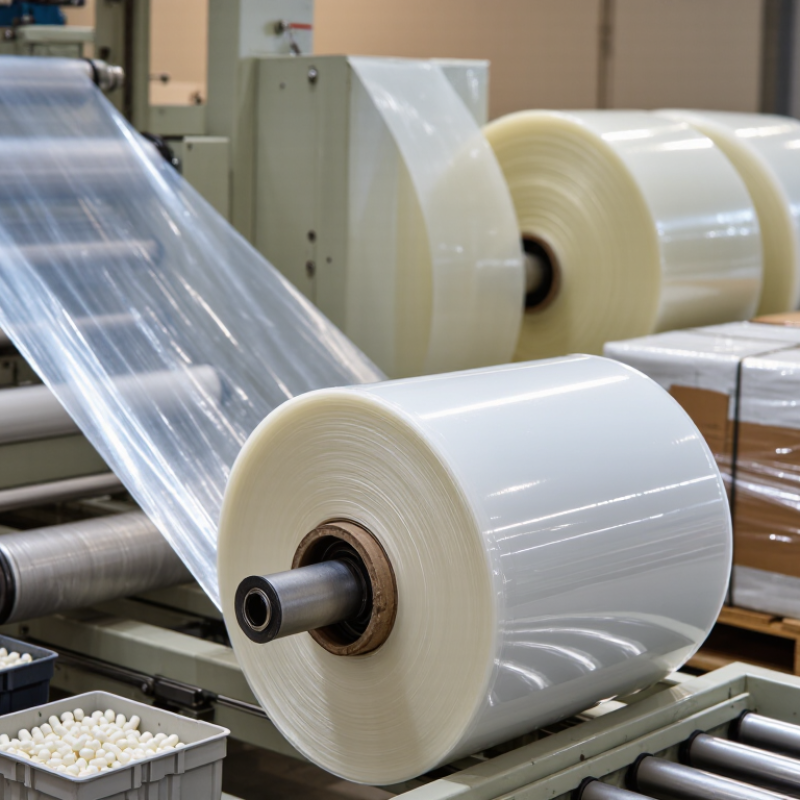
HDPE film is a thin sheet made from high-density polyethylene, a thermoplastic resin. Its molecules have relatively little branching, allowing them to pack closely. This structure gives the film useful strength for its weight and good resistance to moisture and many everyday chemicals. Lightweight. Flexible. Practical. It is commonly made by melting resin and pushing it through a flat die, then cooling it into a continuous sheet. Thickness, surface finish, and additives can vary by intended use.
A roll of HDPE film often feels smooth and slightly firm, though thinner grades can crease easily. Not indestructible. The material can weaken with prolonged sunlight exposure, and heat may affect its shape, so specifications matter. HDPE film is used in packaging, protective covers, construction liners, and agricultural applications. For example, a liner may help keep damp soil from reaching a stored material, while packaging film can shield goods from splashes and dust. It is not always the best choice: some jobs need more stretch, clarity, or puncture resistance. Checking the film’s thickness and exposure conditions helps determine whether it will perform as expected.

HDPE film is a lightweight, moisture-resistant plastic film made from high-density polyethylene. The chart shows indicative thickness ranges used in selected applications; actual specifications vary by product and requirements.
How to read the chart: Thicker film is commonly selected when applications call for greater durability or protection. These ranges are illustrative, not universal standards.
HDPE film is commonly made by extrusion, with blown-film processing used for many flexible packaging and protective applications. The process begins with high-density polyethylene pellets fed into a heated extruder. A rotating screw carries them forward, melts them, and mixes the material into a consistent flow. Additives may be blended in when a film needs specific color, slip, or weather resistance.
The molten plastic then passes through a circular die and emerges as a soft tube. Air inflates the tube into a bubble while cooling air helps the walls set. The bubble rises, then rollers flatten it into a continuous sheet and wind it into rolls. Small details matter. Temperature, air pressure, and roller speed can affect thickness and clarity. Operators adjust these settings as the material runs, rather than relying on one fixed recipe.
Quality checks often include measuring thickness across the roll and examining samples for weak spots, holes, or uneven edges. The process is not perfectly uniform; small variations can still occur. That is one place where careful monitoring matters. A film intended for heavy-duty bags may need different thickness and strength targets than a thin liner, so the final settings depend on the intended use.
HDPE film is defined by a dense, mostly linear polyethylene structure, which gives it strength without making it rigid. The European Commission’s 2014 Best Available Techniques reference document for polymer production identifies HDPE as polyethylene with a density above 0.940 g/cm³. That threshold helps distinguish it from lower-density grades, though film performance also depends on resin grade, thickness, and processing. It feels smooth and slightly waxy. A thin grocery liner can flex around a sharp-edged box, yet still resist everyday pulling and tearing.
The film handles moisture well and resists many common acids and alkalis, but it is not a strong oxygen barrier. That matters when packaging products sensitive to air. Its toughness is useful for liners, sacks, and protective covers; heat is a limitation, since the material softens well below many high-temperature processing conditions. Be specific about the application. ASTM D882 sets methods for measuring tensile properties of thin plastic sheeting, while ASTM D1709 covers impact resistance by falling dart. These standards matter because “strong” is not one measurement: a film can perform well in a pull test but fail under a sudden puncture. Gauge, temperature, and test setup can shift results, so a single property number may not predict real use.
| Property or Dimension | Typical Characteristics | Why It Matters | Common Uses |
|---|---|---|---|
| Material | HDPE film is a thin sheet made from high-density polyethylene, a thermoplastic polyolefin. | It combines low weight with useful strength and chemical resistance. | Packaging, bags, liners, protective covers, and agricultural applications. |
| Density | Typically about 0.941–0.965 g/cm³; the exact value depends on the resin grade. | Its relatively low density helps keep products lightweight. | Lightweight packaging and flexible liners. |
| Appearance | Often translucent or hazy rather than optically clear. Clarity varies with formulation, thickness, and processing. | Suitable when visibility is useful but glass-like transparency is not essential. | Shopping bags, liners, and general-purpose packaging. |
| Strength and toughness | Offers good tensile strength and impact resistance for a flexible film. Performance varies with thickness, orientation, and grade. | Helps the film resist handling stresses, punctures, and tearing in many applications. | Carry bags, protective packaging, and heavy-duty liners. |
| Moisture barrier | Generally provides a good barrier to water vapor, while barrier performance depends on film thickness and construction. | Helps limit moisture transfer in packaging and cover applications. | Packaging liners, moisture-control layers, and protective wraps. |
| Gas and aroma barrier | Provides a relatively limited barrier to oxygen and many aromas compared with dedicated high-barrier materials. | May need to be combined with other materials when long shelf life or strong aroma retention is required. | Non-critical packaging or as one layer in a multilayer structure. |
| Chemical resistance | Resists many aqueous acids, alkalis, and salts. Strong oxidizing agents and some hydrocarbons can damage or affect polyethylene. | Useful for containing or protecting against many common chemicals, subject to compatibility checks. | Chemical packaging liners and industrial protective sheeting. |
| Heat behavior | HDPE commonly melts in the approximate range of 125–135°C. Its useful operating temperature is lower and depends on load, duration, and grade. | Heat-sealing and service limits should be determined for the specific film and application. | Heat-sealable packaging and applications with moderate temperature requirements. |
| Electrical properties | Polyethylene is generally a good electrical insulator when clean and dry. | Can provide electrical insulation, although additives, moisture, and design requirements affect suitability. | Insulating layers and protective coverings. |
| Typical applications | Available in different grades, thicknesses, and surface treatments for specific uses. | Selection should account for required strength, barrier performance, temperature, and exposure conditions. | Packaging bags, bin liners, agricultural films, construction sheeting, and protective covers. Thick HDPE sheets used as geomembranes are a related but distinct product form. |
Note: Values and performance descriptions are general characteristics, not specifications. Actual properties vary by resin grade, film thickness, additives, manufacturing process, and test method; consult the product data sheet for application-specific requirements.
HDPE film is a thin, flexible sheet made from high-density polyethylene. It resists moisture and many common chemicals, while staying light and easy to handle. You may see it as a roll of black sheeting on a job site or as a crisp liner inside a package. It is useful, though not indestructible; sharp edges can puncture it.
Common uses include packaging, construction, agriculture, and temporary surface protection. In packaging, it helps shield goods from dust and dampness during storage or shipping. Builders use thicker sheets as ground covers or moisture barriers beneath floors and concrete. Farmers may use film to cover soil, help retain moisture, or protect stored materials. It can also line bins and ponds when the grade is designed for that purpose. Fit matters.
Tips: Match film thickness to the job, and check whether it is rated for outdoor exposure. Sunlight can weaken some films over time. Smooth the surface before laying a sheet, since small stones and debris may cause tears. Leave enough overlap at seams, but inspect them regularly. A quick check saves trouble later.
HDPE film is a lightweight, moisture-resistant plastic sheet used for packaging, protective covers, and liners. Choosing the right film starts with its job. For a clean indoor cover, a thinner grade may be sufficient; for a liner exposed to rough surfaces, check puncture resistance and thickness. A thicker film is not automatically stronger in every situation, so compare product specifications and test a sample under realistic conditions.
Consider the film’s width, flexibility, and exposure to sunlight or chemicals. If it will contact food or another sensitive material, verify that the supplier specifies a suitable grade. Small trials help. Handle rolls with clean, dry hands, and keep them away from grit, sharp tools, and rough concrete.
When unrolling, support the roll and avoid dragging the film across the floor. Cut on a protected surface, not against the material beneath it. Store unused film out of direct sun and excessive heat. Even careful selection can miss a weak point; inspect the film after fitting, especially around corners, seams, and fasteners.