How to Navigate the Intelligent Urinal Market for Buyers?
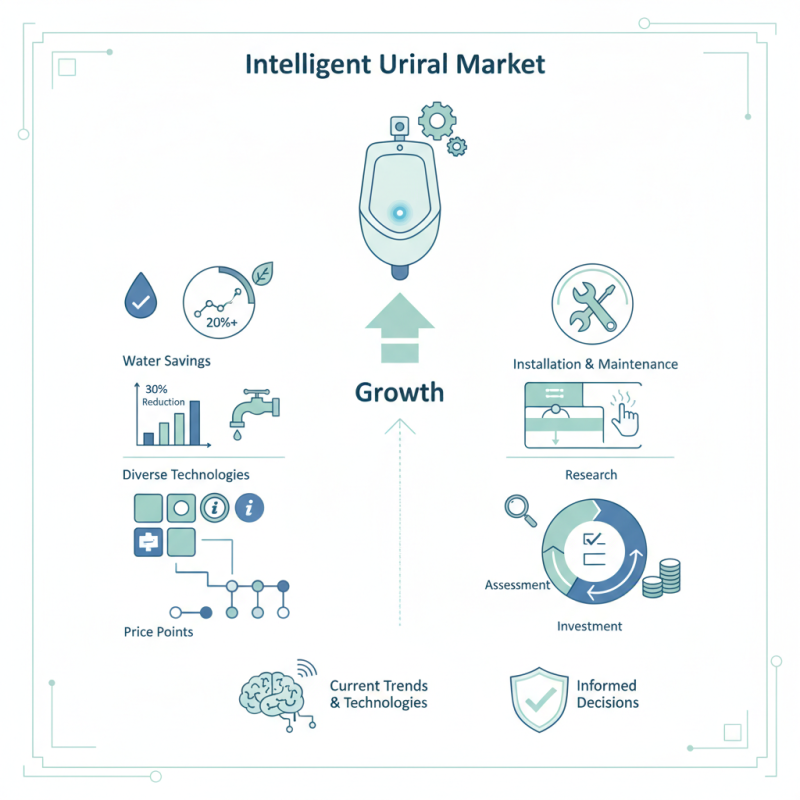
The Intelligent Urinal Market is rapidly evolving, with a projected growth rate of over 20% annually. This growth reflects the increasing demand for smart sanitation solutions in urban areas. Buyers must understand the multifaceted aspects of this market to make informed decisions. Recent reports indicate that smart urinals not only enhance hygiene but also significantly reduce water consumption by up to 30%.
Many organizations are exploring these innovations for commercial spaces due to their eco-friendly benefits. However, navigating this market is not without challenges. Buyers often encounter products with varying technology features, efficacy, and price points. Understanding the different types and their functionalities can be daunting.
Furthermore, we need to consider installation and maintenance factors. Many buyers overlook these elements, which can lead to costly mistakes. An informed approach can lead to better investments. The Intelligent Urinal Market presents opportunities, but it requires careful assessment. Awareness of current trends and technologies is crucial for buyers aiming to optimize their purchases.
Understanding the Importance of Intelligent Urinals in Modern Facilities
Intelligent urinals are redefining sanitation in modern facilities. They contribute to a cleaner environment and enhance user experience. These devices reduce water waste significantly through smart sensors. They automatically flush only when needed. Users appreciate the minimal touch aspect, promoting better hygiene.
The integration of intelligent urinals brings numerous benefits. They can analyze usage patterns and maintain maintenance schedules effectively. Real-time data assists facilities in optimizing water management. However, some users find the technology intimidating. Installation and maintenance may pose challenges for facility managers.
Adoption of intelligent urinals should be thoughtful. Not every facility needs advanced features. Cost considerations and user demographics play a crucial role. Some users might prefer traditional options for simplicity. Thus, exploring these devices requires careful evaluation of individual needs and preferences.
Intelligent Urinals Adoption in Modern Facilities (2023)
Key Features to Consider When Selecting Intelligent Urinals
Choosing intelligent urinals requires careful consideration of key features. Understanding their functionality is essential. A recent market report showed that the demand for intelligent urinals is expected to grow by 15% annually. This is driven by the need for water conservation and reduced maintenance costs.
One critical feature to evaluate is the flushing mechanism. Sensor-activated flush systems can save up to 30% more water compared to traditional models. Buyers should also consider ease of installation. Some models may require complex plumbing alterations, which can lead to higher installation costs. The design aesthetics of the units play a significant role as well. An attractive appearance can enhance the restroom experience, benefiting establishments like hotels and restaurants.
Durability is another factor to reflect on. Materials must withstand heavy use and resist stains. Emerging reports indicate that intelligent urinals can reduce operational costs by 25% through simpler maintenance routines. Make sure to verify the warranty and service terms. A short warranty period might signal potential reliability issues. Therefore, assessing these features can help buyers make informed decisions.
Comparative Analysis of Leading Intelligent Urinal Brands
The intelligent urinal market has grown rapidly, leading to an array of options for buyers. When exploring various brands, it’s essential to consider key features. Sensors, for example, enhance user experience. They provide touch-free operation, which promotes hygiene. However, not all sensors function reliably, creating frustration for users.
In addition to sensor technology, water efficiency is a crucial factor. Many intelligent urinals aim to reduce water consumption. Some brands claim significant savings, but their performance may vary. Buyers should research claims and look for verified data. The design and ease of installation also matter. A user-friendly installation can save time and cost.
Comparing warranties and customer support is vital for long-term satisfaction. While some brands offer robust warranties, others may lag in customer service. This gap can lead to challenges if issues arise. Buyers need to assess their priorities to select the best option for their needs. This market can be overwhelming, but careful evaluation is key.
Evaluating Cost vs. Performance in the Intelligent Urinal Market
In the intelligent urinal market, evaluating cost versus performance is crucial for buyers. Recent industry reports show that intelligent urinals can range from $1,500 to $5,000 per unit. This broad price range reflects varying features and specifications. Buyers must carefully assess their needs and budgets.
When considering performance, efficiency plays a key role. Many intelligent urinals integrate advanced sensors that help reduce water consumption. Some models reportedly save up to 90% more water than traditional systems. This efficiency can translate into significant savings on water bills, making the higher upfront costs worthwhile.
However, it's important to note that not all features are equally necessary for every buyer. Some systems offer extensive data analytics that may be underutilized in smaller facilities. The reliability of technology is also a concern; early adopters have reported occasional malfunctions that can disrupt operations. Striking a balance between cost and the essential features that drive performance is vital for a successful decision.
Navigating Installation and Maintenance Requirements for Intelligent Urinals
Installing intelligent urinals requires careful planning. These advanced fixtures can improve sanitation and reduce water usage. However, their installation and maintenance can be complex. The combination of electronics and plumbing poses unique challenges. According to a report by the Global Smart Sanitation Market, 50% of facility managers cite installation woes as a major barrier.
Tips: Ensure your plumbing system meets the requirements for intelligent urinals. Having a qualified technician for installation is crucial. This step keeps your system operating effectively.
Maintenance is another vital consideration. Routine inspections can help detect issues before they escalate. The same report indicates proper maintenance can extend the life of intelligent urinals by up to 25%. Neglecting upkeep can result in increased repair costs and downtime.
Tips: Create a maintenance schedule. This should include cleaning sensors and checking for blockages. Regular checks can prevent major malfunctions, saving you money in the long run.
Choosing the right model with clear installation guides is essential. Some designs are more user-friendly. Understanding local regulations is a must. Compliance helps avoid fines and ensures optimal performance.