Top Modified Vehicle Trends for Global Buyers in 2026?
The Modified Vehicle market is witnessing transformative shifts as we approach 2026. According to a report by MarketsandMarkets, the modified vehicle segment is projected to grow at a CAGR of over 5% from 2021 to 2026. This growth reflects increasing consumer demand for personalized and high-performance vehicles. Buyers are increasingly interested in unique aesthetics, advanced technology, and superior performance, leading to an expansion in the modified vehicle landscape.
Key trends among global buyers include the rise of electric vehicle modifications and off-road customizations. In 2025, electric vehicle modifications are expected to account for more than 30% of the modified vehicle market. Enthusiasts seek to enhance aspects such as battery capacity and performance, making their vehicles more efficient and powerful. Moreover, the allure of off-road modifications remains strong. These modifications cater to adventure-seeking consumers, transforming standard vehicles into rugged, capable machines for outdoor adventures.
Despite these advancements, the modified vehicle industry faces challenges. Regulatory compliance and safety concerns often create hurdles for manufacturers and enthusiasts. Balancing innovation with safety can be difficult. As consumers explore these exciting trends, they must navigate the complexities of vehicle modifications carefully. Understanding these dynamics is crucial for making informed decisions in the evolving modified vehicle market.
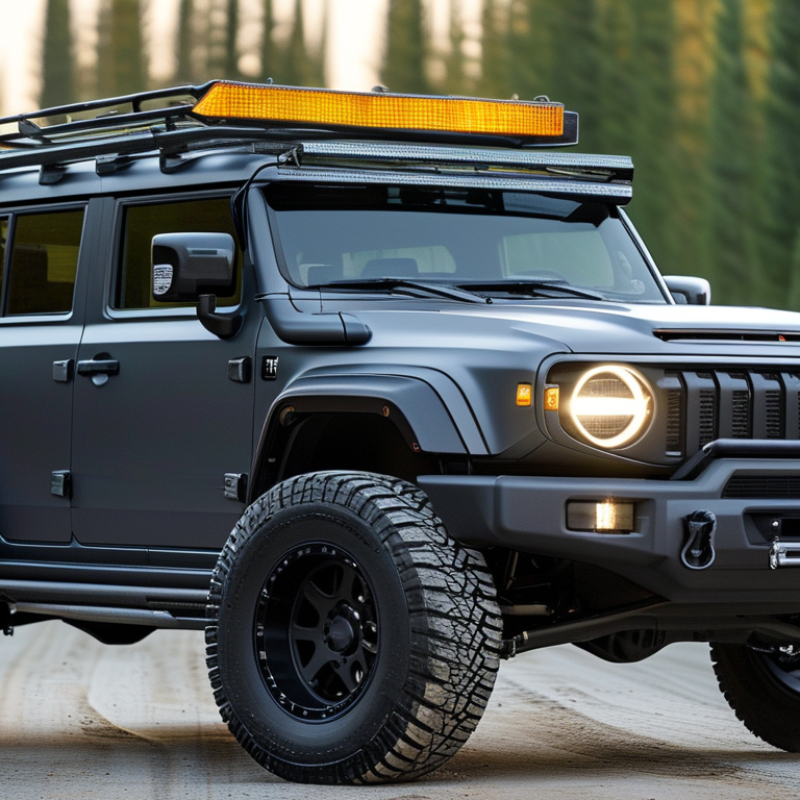
Emerging Customization Technologies for Modified Vehicles in 2026
As we move into 2026, vehicle customization is becoming increasingly innovative. Buyers will seek unique modifications that reflect their personal style while enhancing performance. Emerging technologies are at the forefront of this trend, reshaping how we think about modified vehicles.
One exciting area is 3D printing. This technology allows for the creation of custom parts that were previously unavailable or difficult to source. Buyers can personalize elements like dashboard aesthetics or even entire body kits. Another promising advancement is the integration of augmented reality (AR). AR enables drivers to visualize modifications before they commit, ensuring satisfaction with their choices.
Tips: When considering customization, focus on functionality first. A visually appealing modification should also enhance your vehicle's performance. Be cautious with extreme changes; they may affect your vehicle's safety. Balance aesthetics with practicality for the best outcome. Seek advice from experts to explore the latest technologies that fit your needs.
Popular Vehicle Modifications Among Global Buyers in 2026
In 2026, global buyers are increasingly gravitating towards specific vehicle modifications. The surge in interest for off-road tweaks is notable. Many drivers want enhanced suspension systems that lift their vehicles higher off the ground. A robust lift kit can improve both capability and aesthetic appeal. These modifications allow for a more adventurous driving experience on rugged terrains.
Another rising trend is the customization of vehicle interiors. Buyers are seeking bespoke upholstery and gadget integration. High-quality materials create a sense of luxury. Technological enhancements, such as advanced infotainment systems, are also popular. Personalization extends to ambient lighting as well. Many owners desire a distinct atmosphere that reflects their individual style.
Conversely, some modifications can prove impractical. Overly flashy designs may attract unwanted attention. Moreover, extreme upgrades can compromise vehicle warranties. It's essential to consider the balance between aesthetics and functionality. Thoughtful modifications ensure vehicles meet both personal preferences and practical needs.
Top Modified Vehicle Trends for Global Buyers in 2026
| Modification Type | Percentage of Global Buyers (%) | Popular Regions |
| Performance Upgrades | 30% | North America, Europe |
| Exterior Customization | 25% | Asia, Middle East |
| Interior Modifications | 20% | North America, Latin America |
| Audio System Enhancements | 15% | Europe, Asia |
| Lighting Upgrades | 10% | North America, Asia |
Sustainability Trends in Vehicle Modifications for Eco-conscious Buyers
As we move toward 2026, vehicle modifications will increasingly reflect eco-conscious values. Buyers are seeking sustainable options that minimize environmental impact. Lightweight materials are gaining popularity. These materials improve fuel efficiency without sacrificing strength. Moreover, many consumers are opting for electric vehicle conversions. This shift supports a growing demand for greener alternatives.
Sourcing eco-friendly components presents challenges. Not all modifications are widely available or affordable. Some buyers may struggle with limited options. Additionally, the recycling of old parts is often overlooked. Awareness of the entire lifecycle of a vehicle is vital for sustainable practices. Proper waste management remains a concern within the modification industry.
The trend toward sustainability is promising, yet it’s not without obstacles. Companies face the dilemma of balancing innovation with environmental responsibility. While the desire for greener vehicles grows, consumers should research thoroughly. Knowledge about sustainable practices can guide better choices. Engaging with communities focused on eco-friendly modifications can inspire creativity and sustainable solutions.
Top Modified Vehicle Trends for Global Buyers in 2026
Regional Preferences for Modified Vehicles: A 2026 Perspective
In 2026, regional preferences for modified vehicles are shaping a diverse landscape. Buyers from North America often seek rugged, off-road capabilities. SUVs with robust modifications allow for thrilling adventures. Conversely, European buyers lean towards eco-friendly modifications. Enhancements focus on efficiency and performance, favoring lighter materials.
Asia shows a unique trend, with compact, flashy designs catching attention. Customizations often emphasize aesthetics and technology. Hybrid vehicles that merge style with sustainability are growing in popularity. Reflecting cultural values, these modifications showcase individual identity.
Tips: When modifying a vehicle, always consider safety first. Ensure that all changes comply with local regulations. Seek professional advice for complex modifications. Additionally, think about future resale value; some modifications may not appeal to future buyers. Consider practicality alongside style for a wise investment.
Safety and Compliance Considerations for Modified Vehicles in 2026
In 2026, safety and compliance will take center stage for modified vehicle trends. With an increasing number of people customizing their rides, regulatory authorities are emphasizing adherence to safety standards. According to a recent industry report, about 30% of modified vehicles do not meet safety regulations. This raises significant concerns about road safety and potential liabilities for owners.
Legally compliant modifications are crucial. Many governments are implementing stricter inspection protocols. Non-compliance can lead to fines and accidents. Statistics show that 40% of modified vehicles undergo subpar safety checks. Buyers must ensure modifications enhance performance without compromising safety features.
Tip: Always consult with certified specialists for modifications. This ensures compliance with local laws while enhancing vehicle safety.
Tip: Keep records of all modifications. Documentation can protect you legally and demonstrate compliance during inspections.
As trends evolve, the importance of roadworthy modifications grows. Industry experts predict a surge in vehicles fitted with advanced safety features. This shift will help close the gap between desires for customization and the necessity for safety. Reflecting on past trends may help buyers make more informed choices in 2026.