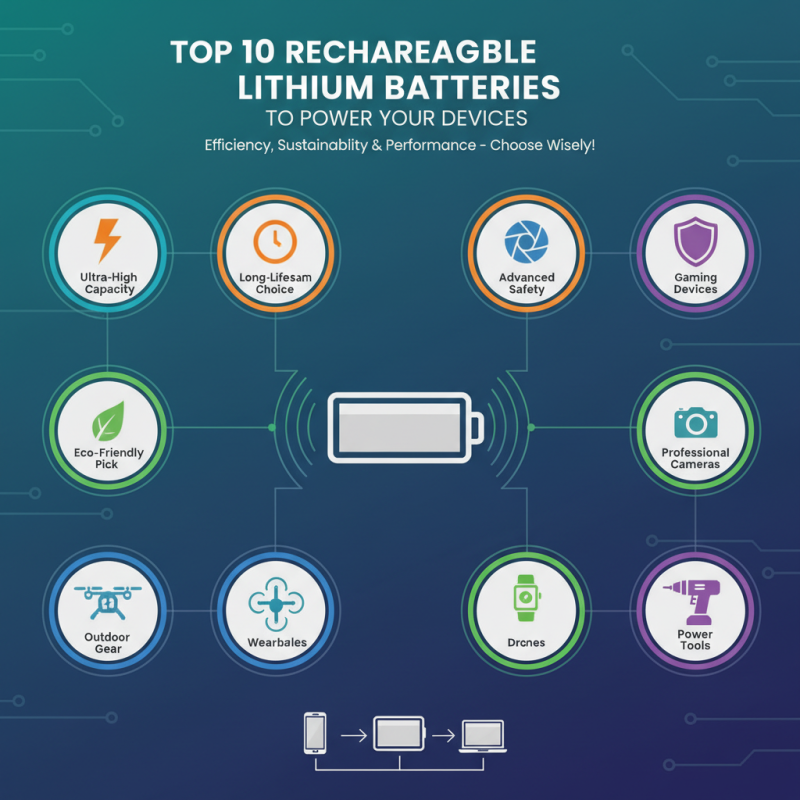
Top 10 Rechargeable Lithium Batteries to Power Your Devices?
In today's tech-driven world, Rechargeable Lithium Batteries play a vital role in powering our devices. These batteries offer convenience, efficiency, and sustainability. With a variety of options available, it's crucial to choose the right one for your needs.
Many consumers often overlook the importance of selecting quality rechargeable lithium batteries. Not all batteries are created equal. Factors like capacity, lifespan, and safety features vary greatly among brands. A poor choice can lead to frequent replacements or even device damage.
In this article, we will explore the top 10 rechargeable lithium batteries in the market. Each option is chosen based on performance, reliability, and user reviews. By examining these choices, you can make a more informed decision for your devices. Investing in the right batteries not only enhances device performance but also promotes eco-friendly practices.
What Are Rechargeable Lithium Batteries and Their Advantages?
Rechargeable lithium batteries are becoming increasingly popular for powering everyday devices. These batteries are known for their high energy density, which means they can hold more charge compared to other types. This feature makes them ideal for gadgets like smartphones, laptops, and electric vehicles. One of their major advantages is the ability to recharge them hundreds of times without significant performance loss. This longevity is especially appealing in a world that values both efficiency and sustainability.
Another key benefit of lithium batteries is their lightweight design. Weighing less than traditional batteries, they are easier to carry and handle. This makes them perfect for portable devices. However, it’s important to consider the environmental impact of lithium extraction. The mining process can harm local ecosystems and communities. Consumers should reflect on the trade-offs between convenience and sustainability when choosing batteries. Innovations are underway to improve recycling methods, yet the industry still faces challenges. Understanding these dynamics is essential for responsible usage.
Factors to Consider When Choosing Lithium Batteries for Your Devices
When selecting lithium batteries, considering several key factors is essential. Firstly, capacity is crucial. Measured in milliamp-hours (mAh), it indicates how long the battery can power a device. Higher capacity batteries often last longer between charges, making them ideal for high-drain devices.
Another important factor is the discharge rate. This is particularly significant for devices requiring a quick burst of energy. Batteries with a high discharge rate will perform better in such scenarios. Research from industry reports indicates that batteries with a discharge rate of 10C or higher can substantially improve performance.
When choosing a lithium battery, pay attention to safety features. Look for batteries with built-in protection against short circuits, overcharging, and overheating. These features enhance reliability and can prevent hazardous situations.
Tips: Always check the specific requirements of your devices. Ensure compatibility to avoid issues. Consider usage patterns to select a battery that meets your needs without overpaying for features you won't use. Lastly, invest in reputable batteries to ensure longevity and performance, as lower-quality options can lead to disappointments over time.
Top 10 Rechargeable Lithium Batteries Reviewed
When choosing rechargeable lithium batteries, it's essential to assess their performance and reliability. High-capacity batteries can significantly enhance the efficiency of your devices. They deliver consistent power over long periods, making them ideal for high-drain devices.
It's also crucial to consider the cycle life of a battery. A battery’s cycle life indicates how many charge cycles it can endure before performance diminishes. Generally, higher cycle life means you’ll replace them less often, saving both money and resources. However, not all batteries meet these expectations, and some may degrade faster than advertised.
Charging speed is another factor. Some rechargeable lithium batteries offer rapid charging capabilities, which is a great convenience. Yet, this feature can place stress on the battery over time, leading to safety concerns. Choosing a balanced option that offers decent charge times without compromising lifespan is key. Battery comparisons can reveal variances that may affect your choices. Reflecting on these aspects can lead to better decision-making in power solutions for your devices.
Top 10 Rechargeable Lithium Batteries Capacity Comparison
How to Properly Charge and Maintain Lithium Batteries
Properly charging and maintaining lithium batteries is crucial for their longevity and performance. Overcharging can lead to overheating, while complete discharges can reduce overall lifespan. It’s important to recharge lithium batteries when they drop to around 20% capacity. Regular charging within this range will help ensure optimal performance and extend battery life.
When charging, use the appropriate charger recommended for your specific battery type. This reduces the risk of damage. Avoid exposing batteries to extreme temperatures. High heat can degrade their chemical composition, while extreme cold can inhibit performance.
Tip: Storing batteries in a cool, dry place enhances their lifespan. Aim to keep them at around 50% charge during long-term storage. Regularly inspect for any signs of damage or leaking. If you observe these issues, it’s critical to properly dispose of the battery to avoid hazards. Remember, good maintenance practices are as important as regular charging.
Environmental Impact and Recycling of Lithium Batteries
The environmental impact of lithium batteries is significant. They power our devices, but their production and disposal can harm ecosystems. Mining for lithium often disrupts habitats. Water supply issues arise from extraction processes, particularly in regions facing drought.
Recycling lithium batteries is crucial. It reduces waste and conserves resources. Most lithium batteries contain recyclable materials. However, improper disposal can lead to soil and water pollution. Many communities lack proper recycling facilities. Awareness of local regulations can help ensure responsible management.
Tips for recycling: always check local recycling guidelines. Some manufacturers provide take-back programs. Learn more about how to safely handle batteries at the end of their life. Educating yourself is essential for making informed decisions. Consider using rechargeable batteries to minimize waste.