A Track Chain Link is a small component with a demanding job. It connects the track shoes and helps carry impact, tension, and abrasive soil around the undercarriage. The right link type depends on machine design, operating conditions, and maintenance practice. On a compact excavator working in wet clay, sealing and lubrication may matter most. On a dozer crossing sharp rock, impact resistance and wear life become harder to ignore. Small parts matter.
Industry reports offer useful context, but they need careful interpretation. Grand View Research’s Construction Equipment Market Size, Share & Trends Analysis Report (2024) examines a broad equipment market shaped by construction activity and infrastructure investment. It does not rank track-chain designs or predict service life for a particular machine. For component-level guidance, manufacturers’ technical references, such as Caterpillar’s Performance Handbook, are more useful for understanding undercarriage inspection and operating factors. Neither source replaces the machine’s service manual or an inspection by a qualified technician.
This guide compares common track chain link types, including sealed-and-lubricated chains, dry chains, and master links used for assembly or servicing. It also explains how link design, pitch, lubrication, and working conditions affect fit and wear. A catalog label can be misleading. Two links may look nearly identical yet differ in dimensions or compatibility. Treat the comparison as a starting point, then verify part numbers and specifications against the machine model before choosing a replacement.
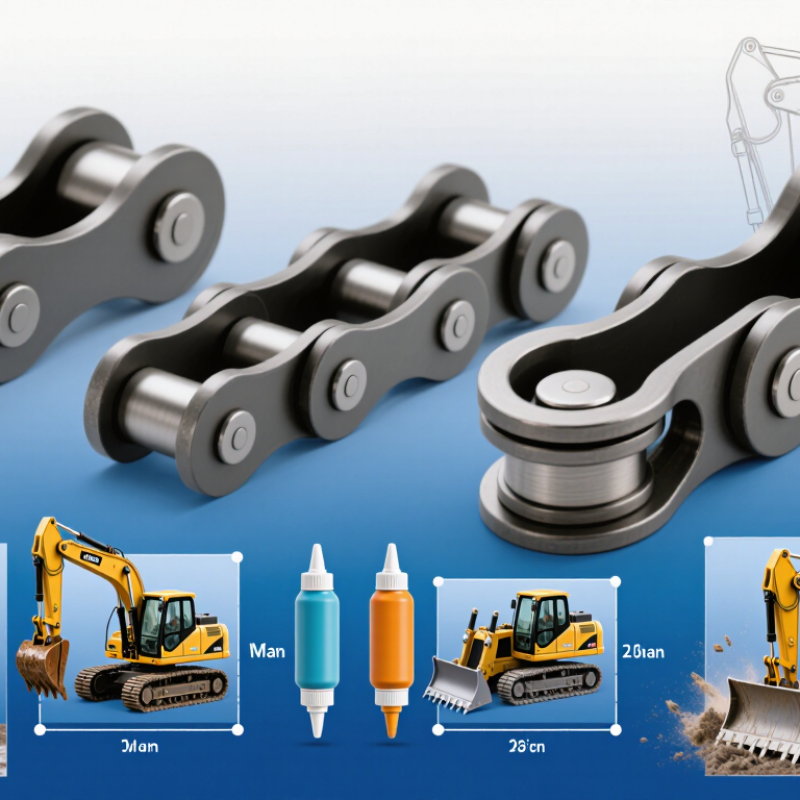
Track chain links are commonly found in sealed-and-lubricated or dry configurations. A master link, meanwhile, provides a removable joining point in some chains. The basic anatomy is similar: alternating links hold pins and bushings in alignment. Small parts matter.
A pin passes through neighboring link joints, while a bushing fits around the pin and contacts the sprocket teeth. In sealed chains, seals help retain lubricant between these moving surfaces and keep grit out. Dry chains lack that sealed lubrication system, so operating conditions and maintenance needs differ. Neither design is automatically right for every machine.
Pitch is the center-to-center distance between adjacent track pins. It affects how the chain engages with the sprocket; a mismatch can cause poor seating and faster wear. As pins and bushings wear, pitch can effectively increase, even when the links still look serviceable. Measure across several pin centers and compare the result with the machine’s service specifications. It is easy to focus on visible damage and miss gradual wear. I’d still verify measurements before choosing replacement links.

Reference track-chain pitch values, converted from inches to millimeters
How to read it: Pitch is the center-to-center distance between adjacent track pins. A pin joins neighboring links, while a bushing fits around the pin and engages with the sprocket. The values shown are exact inch-to-millimeter conversions for reference, not universal machine specifications; always check the equipment’s required track-chain pitch.
What Are the Top Types of Track Chain Links?
Dry Track Chains: Unsealed Joints for Lower-Duty Applications
Dry track chains have unsealed pin-and-bushing joints, with no seals to keep dirt and moisture out. The links carry machine weight and transfer drive force to the tracks. Fine dust can work into joint clearances, while water and abrasive soil may speed wear. Dust gets in. These chains can suit lighter-duty machines or work on relatively clean, firm ground. Their simpler construction may reduce initial cost, but operating conditions matter more than the label.
Tips: Check chain tension and inspect pins, bushings, and link surfaces at regular service intervals. Look for uneven wear, stiffness, or growing pitch. A quick visual check helps, but it cannot replace measurements against the equipment maker’s service limits.
Unsealed joints generally need closer attention than sealed alternatives, especially in wet or abrasive conditions. Follow the machine’s maintenance guidance, and avoid assuming that “dry” means maintenance-free. It does not. There is no universal service interval: load, soil, travel speed, and cleaning habits all affect wear. A chain that seems acceptable today may still deserve a measured inspection.
Sealed track chains use elastomer seals around pin-and-bushing joints to help keep lubricant inside and abrasive grit outside. Those small contact surfaces carry repeated loads as the chain bends around the sprocket. Small parts matter. When dirt and moisture reach the joint, they can accelerate wear and contribute to looseness over time.
The seals do not make a track chain maintenance-free. A torn seal, damaged joint, or persistent oil trace deserves attention, especially after work in wet soil or sharp rock. Look for unusual stiffness, uneven movement, and links that seem looser than their neighbors. These signs are not a diagnosis on their own, but they can prompt a closer inspection. It is easy to assume a sealed chain is protected indefinitely; that assumption is not always right. Seal condition, correct tension, and operating conditions all affect service life. During routine checks, cleaning away packed mud can make leaks and damage easier to spot.
Sealed-and-lubricated track chains hold oil inside the pin-and-bushing joints. The oil forms a lubricating film between moving surfaces, helping limit metal-to-metal contact as the chain bends around the sprocket. Seals keep much of the oil in and abrasive dirt out. That protection matters.
On a working machine, each joint turns repeatedly under load. In dry or dusty conditions, grit can accelerate wear if it passes a damaged seal. Oil-filled joints can reduce internal friction and slow pin and bushing wear, but they do not make a chain wear-proof. A small oil stain near a joint may be worth checking, especially if several links show similar signs. Not magic.
Inspection still matters. Look for cracked or displaced seals, unusual looseness, and uneven wear across the chain. Track tension also affects joint loads; a chain that is too tight can place extra strain on components. Service experience suggests that problems are easier to address when noticed early, though exact inspection intervals depend on the machine and working conditions. One imperfect point: seals are easy to overlook beneath packed mud, so a quick glance is not always enough. Wipe away buildup before judging their condition.
| Track Chain Configuration | Joint Construction | Lubrication and Wear Protection | Typical Advantages | Considerations | Common Applications |
|---|---|---|---|---|---|
| Sealed-and-lubricated | Seals enclose the pin-and-bushing joint, which is filled with oil. | Oil-filled joint Seals help retain oil and keep abrasive dirt and water out, reducing internal pin-and-bushing wear. | Reduced internal wear and friction; helps limit lubricant loss and contamination when seals remain effective. | Seal damage or wear can allow oil loss and contamination. The chain still requires inspection and correct track tension. | Many modern crawler machines, including excavators and dozers working in demanding conditions. |
| Sealed, grease-lubricated | Seals protect the pin-and-bushing joint; grease is used as the joint lubricant. | Seals help contain lubricant and resist the entry of abrasive material. Specific designs and lubrication details vary. | Provides a protected, lubricated joint without an oil-filled design. | Service life and maintenance needs depend on the chain design, sealing condition, and operating environment. | Selected crawler undercarriages and replacement-chain configurations. |
| Unsealed, lubricated | Pin-and-bushing joints are not enclosed by individual seals. | Lubricant may be applied during assembly or maintenance, but the joint is exposed to outside material. | Simpler joint arrangement; may suit equipment or operating conditions where this design is specified. | Abrasive soil and moisture can enter the joint, increasing the importance of condition checks and appropriate maintenance. | Some older machines, specialized equipment, or applications using a specified unsealed chain. |
| Unsealed, dry-joint | Exposed pin-and-bushing joints operate without a sealed internal lubricant supply. | No sealed oil-filled joint; wear protection depends on the design, materials, and operating conditions. | Can be appropriate where the machine and chain are specifically designed for this arrangement. | Not interchangeable with sealed chain types. Confirm the machine specification and maintenance requirements before selection. | Specific older or specialized crawler applications. |
Selection note: Track-chain terminology and construction can vary by machine and manufacturer. Confirm the required chain type against the equipment specification; operating conditions, maintenance, and correct track tension all affect service life.
Choosing track chain pitch starts with understanding what the measurement means. Pitch is the distance between the centers of adjacent track pins. Common crawler sizes span roughly 102–279 mm (4–11 in.), but this range is not a universal fit guide. Compact machines often use shorter pitches, while larger crawlers may use longer ones. Always check the machine’s service information before ordering replacement links.
A steel ruler can help with an initial check: measure from one pin center to the next, then repeat across several links. Small differences matter. Worn pins and bushings may make the measured distance appear longer, so one reading can mislead. Compare multiple sections and inspect the sprocket teeth for uneven wear. Pitch must match the chain and its mating components; a near match may still cause poor engagement, extra vibration, or accelerated wear. I have seen careful measurements overlooked when a chain looked “close enough.” That is an easy mistake. If the pitch remains uncertain, verify the part specification with a qualified equipment technician before installation.