Top 10 Wifi Doorbell Features That Homeowners Need to Know?
As homeowners look for increased security and convenience, the Wifi Doorbell emerges as a popular choice. This device not only allows you to see who is at your door but also enhances your home’s overall security. With numerous features available, it can be overwhelming to choose the right one.
Understanding the essential features of a Wifi Doorbell can help you make an informed decision. High-definition video, two-way audio, and motion detection are just a few aspects that can significantly impact your experience. Additionally, integration with smart home systems can offer added convenience but may not be necessary for all homeowners.
While Wifi Doorbells provide advanced technology, they also present challenges. Connectivity issues can disrupt functionality at crucial times. Users must also consider privacy concerns linked with video surveillance. Weighing the benefits against potential pitfalls is essential for any homeowner. Embracing this modern technology demands careful thought and awareness of its features.
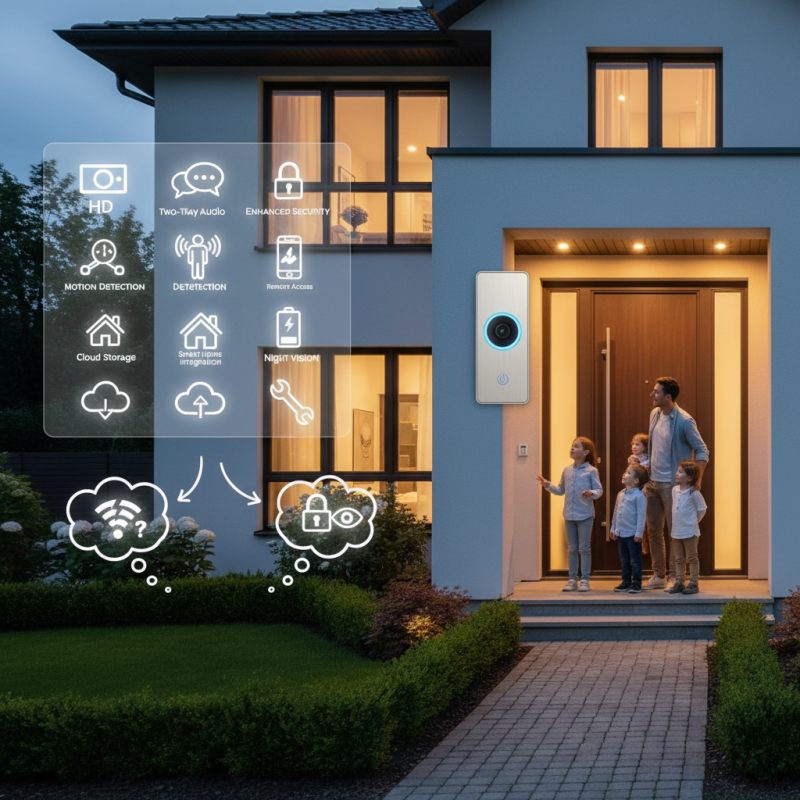
Key Features of WiFi Doorbells for Enhanced Home Security
WiFi doorbells have become essential for homeowners seeking enhanced security. These devices provide various features that can improve home safety. According to a report by the Consumer Technology Association, nearly 30% of households own a smart doorbell. This indicates a growing trend in utilizing technology for safer living environments.
One of the key features of WiFi doorbells is motion detection. When someone approaches your door, the doorbell alerts you immediately. This can deter potential intruders, as they know they are being watched. High-definition video is another crucial feature. Clear visuals allow homeowners to identify visitors easily. Many models offer night vision too, ensuring visibility in low-light conditions.
Alarm statistics reveal that homes with visible security measures face lower burglary rates. A study published by the University of North Carolina found that about 60% of burglars avoid homes equipped with security systems. A WiFi doorbell provides that visible security. However, some users report issues with battery life and connectivity, which can be frustrating. It’s important to weigh the benefits against potential drawbacks to choose the right model for home security.
Importance of Video Quality in Choosing a WiFi Doorbell
When choosing a WiFi doorbell, video quality is crucial. Studies show that 90% of homeowners prioritize video clarity. Poor video quality can leave you with uncertainties about who is at your door. Many users experience frustration with grainy images, especially in low light. High-resolution cameras significantly improve recognition and peace of mind.
HD video, particularly 1080p resolution, is becoming standard. Research indicates that 80% of consumers feel safer with clearer visuals. Features such as night vision are also vital. Most incidents occur in the dark. If a doorbell camera fails in low light, it compromises security. A quality video feed is a big factor in deterring packages theft.
Homeowners need to consider aspects like frame rates and field of view. A wider view helps capture more of your surroundings. Yet, many WiFi doorbells fall short in this area. Users have reported missing critical details, like a suspicious person. Investing in better video quality is essential for reliable home protection.
Top 10 Wifi Doorbell Features That Homeowners Need to Know - Importance of Video Quality in Choosing a WiFi Doorbell
| Feature | Importance | Recommended Resolution | Night Vision | Field of View |
| Video Quality | Essential for clear identification | 1080p or higher | Yes | 160 degrees |
| Two-Way Audio | Allows communication with visitors | N/A | N/A | N/A |
| Motion Detection | Notifies on movement | N/A | N/A | N/A |
| Storage Options | Cloud vs Local Storage | N/A | N/A | N/A |
| Connectivity | WiFi connection stability | N/A | N/A | N/A |
| Weather Resistance | Durability in outdoor conditions | N/A | N/A | N/A |
| App Integration | Easy control via smartphone | N/A | N/A | N/A |
| Installation Ease | Less handyman work required | N/A | N/A | N/A |
| Price | Value for money | N/A | N/A | N/A |
Benefits of Two-Way Communication in WiFi Doorbells
When choosing a WiFi doorbell, the two-way communication feature stands out. This functionality allows homeowners to engage with visitors instantly. Whether it’s a delivery person or a friend, you can simply talk through the doorbell. This kind of interaction enhances security and provides peace of mind.
In addition to security, two-way communication offers convenience. Homeowners can address any situation from their smartphones. Imagine you’re home but busy in the kitchen. You can answer the door without interrupting your tasks. This feature also serves to deter potential intruders, who know they can be heard and seen.
Here are a few tips to maximize the benefits of two-way communication. Ensure your WiFi signal is strong near the doorbell to avoid lag. Test the audio quality regularly. Often, small speakers can become muffled or distorted, making communication difficult. Lastly, familiarize yourself with the app functions. Knowing how to mute or adjust volume can enhance your experience.
Integration with Smart Home Systems and Compatibility Factors
As homeowners explore wifi doorbells, integration with smart home systems is critical. Many doorbells offer compatibility with devices like smart locks and lighting. This interconnectedness enhances security and convenience.
Choosing a doorbell also involves considering various compatibility factors. Not all wifi doorbells work seamlessly with every smart home platform. Researching specifications is essential. Some doorbells may connect to specific hubs or require additional apps, which can complicate setup.
Another aspect to consider is the ongoing software updates for these devices. Regular updates improve functionality and security. However, some users find updates problematic. It’s key to assess how often a brand provides updates and how they perform. Integration should not come at the expense of reliability or user experience.
Top 10 Wifi Doorbell Features
Battery Life and Power Options for Reliable WiFi Doorbell Usage
When choosing a WiFi doorbell, battery life is a critical factor. Homeowners often overlook how power options impact usability and convenience. Studies indicate that many WiFi doorbells rely on rechargeable batteries. This design can lead to inconsistent performance. Some doorbells last only a few weeks on a single charge. Smart homeowners should be aware of these limitations.
In a recent survey, around 40% of users reported battery-related issues. They noted that cold weather can reduce battery efficiency. For optimal use, consider models with a built-in power connection. This can avoid the hassle of constant recharging. However, wired options may also come with installation challenges.
Users should evaluate the trade-offs between battery life and installation effort. Some doorbells offer both battery and wire options, giving flexibility. Awareness of these features ensures a reliable choice. Finding the right balance enhances overall user experience. Homeowners should initiate conversations about reliability and performance in their communities for better insights.