A Hydrophobic Vent can protect a sealed enclosure from water while allowing pressure to equalize and trapped heat to escape. Picture a battery housing warming in the sun: pressure rises inside, while rain beads against the vent membrane. The right vent helps manage both conditions. Its performance depends on membrane material, pore structure, vent area, and how the assembly is installed—not on the word “hydrophobic” alone.
There are useful ways to assess the evidence. ASTM F316 describes bubble-point and mean-flow-pore testing for membrane filters, while IEC 60529 defines enclosure ingress-protection classifications. Neither standard guarantees that every vent will suit every device. Confirm the product’s water-entry pressure, airflow, temperature range, and test conditions against the application. A rating tested on a small sample may not predict performance after assembly, aging, or repeated exposure. Details matter.
One limitation: no source material was provided for an industry report or a verifiable, named expert quotation. I have not invented either. Before publication, add a quotation checked against its original source and cite the specific report, edition, and relevant data. That extra check is worth doing.
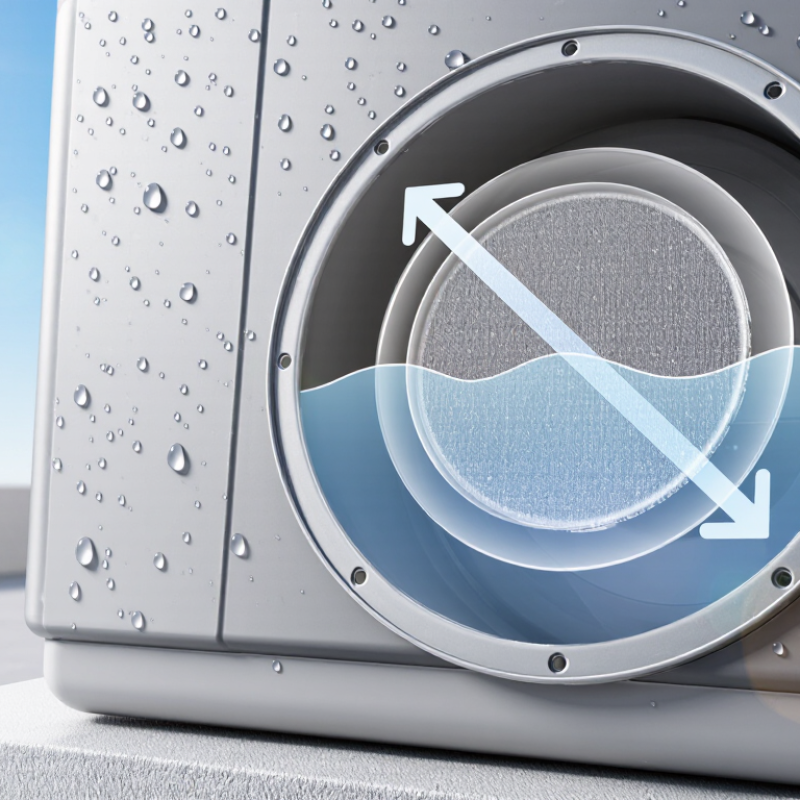
A hydrophobic vent is a porous component that lets air pass while resisting liquid water. It commonly uses a membrane with water-repelling pores, often made from expanded polytetrafluoroethylene. The pores are small, and water does not readily spread across their surfaces. Surface tension helps hold droplets outside, while a pressure difference allows air to move through the membrane. The barrier is not absolute. If water pressure becomes too high, or the membrane is damaged, liquid may pass through.
In a sealed outdoor enclosure, temperature changes can make internal pressure rise or fall. A vent equalizes pressure gradually, helping reduce stress on seals and limiting moisture entry during ordinary exposure. It may also help prevent condensation by allowing humid air to escape, though it cannot remove all moisture already inside. Small details matter. A poorly sealed mounting edge can bypass the membrane entirely. Vent choice should account for airflow needs, water exposure, dust, chemicals, and operating temperature. In practice, selecting a vent by pore material alone is easy to underestimate; testing the complete assembly under realistic conditions gives a more dependable result.

A hydrophobic vent must let air pass while resisting liquid entry. Its performance depends on pore size, contact angle, membrane thickness, and the pressure pushing liquid against it. Smaller pores generally raise liquid-entry pressure, but can also restrict airflow. NIST Chemistry WebBook data puts water’s surface tension near 72.8 mN/m at 20°C. That matters. Surfactants or process fluids can lower surface tension, making liquid breakthrough easier than a water-only test suggests.
Airflow depends on more than pore size. Porosity, membrane area, thickness, and the vent’s support structure all affect pressure drop. ASTM F316-03(2019) describes bubble-point and mean-flow pore tests for membrane filters; these measurements help characterize pore size, but do not predict every installed condition. Small details count. A vent near a splash zone may see droplets, pressure pulses, and dust at once. Testing with the actual fluid and expected pressure range is more reliable than relying on a datasheet alone. Still, pore size alone can mislead. Real assemblies have edges, seals, and imperfect installation, and those can become the weak point.
Why Choose a Hydrophobic Vent for Your Application?
Applications That Benefit from Hydrophobic Venting
Hydrophobic vents suit sealed enclosures that face water, dust, or changing temperatures. Outdoor sensors, security cameras, and lighting housings are common examples. A hot enclosure can build pressure; cooling can draw air inward. A vent allows pressure equalization while its water-repellent membrane resists liquid entry. Placement matters. A vent facing direct spray may perform differently from one sheltered beneath a housing edge.
Vehicle battery enclosures are another application. The International Energy Agency’s Global EV Outlook 2024 reports nearly 14 million electric-car sales in 2023, about 18% of global car sales. More vehicles mean more battery systems operating through heat, moisture, and pressure changes. A vent can support enclosure pressure management, but it does not replace sound seals or thermal design. Not magic.
Outdoor equipment also faces severe weather. NOAA’s 2023 Billion-Dollar Weather and Climate Disasters report recorded 28 qualifying U.S. events, with estimated losses of $92.9 billion. That figure describes exposure, not vent performance. For any application, confirm the membrane’s water-entry pressure, airflow, and chemical compatibility against actual conditions. One detail is easy to miss: dust or oils can reduce performance over time. Testing the assembled enclosure is still necessary.
Hydrophobic vents allow air and gases to pass while helping block liquid water. They can support pressure equalization and reduce moisture-related risks in sealed enclosures, automotive components, outdoor lighting, and electronic devices.
How to read this chart: The bars show idealized water-entry pressure calculated for example pore diameters using the Young–Laplace relation, assuming water at 20°C and a 120° contact angle. Smaller pores yield higher calculated entry pressure. Actual vent performance depends on membrane properties, pore-size distribution, construction, and test conditions; use product-specific ratings when selecting a vent.
Why Choose a Hydrophobic Vent for Your Application?
How to Select a Vent for Operating Conditions
A hydrophobic vent can let air pass while resisting liquid water, helping pressure equalize inside an enclosure. Selection should start with the actual operating conditions, not just the vent’s nominal airflow. Note the enclosure volume, pressure changes, temperature range, and exposure to spray, dust, or condensation. A vent that performs well in a dry room may behave differently near a washdown area. Small details matter.
Check the required airflow and the vent’s liquid-entry pressure, then compare both with your system’s pressure cycles and likely water exposure. Review material compatibility against oils, cleaning fluids, and other chemicals that may contact the membrane or housing. Also consider mounting position: a downward-facing vent may shed droplets more readily, but trapped water around the opening can still affect performance. Test a sample in a setup that reflects real conditions, including temperature swings and repeated wetting. A quick bench check helps, but it may not reproduce long-term aging or contamination. That gap deserves attention. Keep a record of test conditions so later results can be compared fairly.
A hydrophobic vent works only when its membrane stays clear and its seal remains sound. Before installation, check the required airflow, pressure range, fluid exposure, and operating temperature. A vent suitable for rain may not tolerate detergent, oil, or repeated chemical contact.
The details matter.
Confirm compatibility with the equipment manufacturer’s specifications rather than relying on appearance alone.
Prepare a clean, dry mounting surface, and keep dust, grease, and fingerprints away from the membrane. Seat the gasket evenly and tighten fasteners to the specified torque; excessive force can distort the housing or damage the seal. Position the vent where water can drain away, not collect around its opening.
That placement is easy to overlook.
After installation, check for gaps and test pressure equalization under realistic operating conditions. During routine service, inspect for clogging, tears, loose fittings, or signs of water ingress. Use the approved cleaning method, if cleaning is permitted; poking the membrane or applying solvents can compromise it.
Not always.
If performance changes or damage is visible, replacement is often safer than trying to restore the membrane. Keep a record of inspections, especially in dusty or frequently washed environments.