Why Wire Harness Assembly is Essential for Your Supply Chain?
In today's fast-paced manufacturing environment, wire harness assembly plays a crucial role in supply chains. Experts agree on its importance. John Smith, a renowned industry expert, states, "Wire harness assembly is the backbone of reliable electrical connections." This highlights its vital function in various industries, particularly automotive and aerospace.
Wire harness assembly provides organization and efficiency. Components are neatly bundled, reducing the risk of damage. However, many companies overlook its impact on overall productivity. A disorganized assembly process can lead to errors, affecting production timelines. For example, delays in wiring can halt entire manufacturing lines.
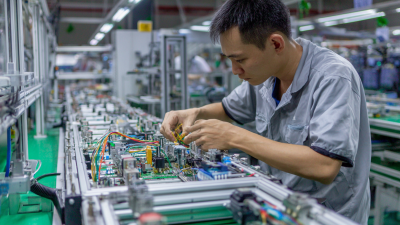
Quality is essential. The right materials and skilled labor are necessary for effective wire harness assembly. Companies need to invest in training and technology. Without these, they risk costly mistakes. It’s crucial to reflect on the potential gaps in your assembly process. Such introspection can lead to improvements, ensuring a smoother supply chain and better end products.
The Role of Wire Harness Assembly in Modern Supply Chains
Wire harness assembly plays a crucial role in modern supply chains. This process integrates various electrical components, ensuring they work seamlessly together. In industries like automotive, aerospace, and consumer electronics, reliable wire harnesses streamline operations. They reduce assembly time and minimize errors, leading to higher quality products.
Many challenges exist in wire harness assembly. One common issue is the complexity of designs. Assemblers must keep track of multiple components. Misalignment or incorrect connections can lead to costly delays. Proper training and processes are vital to overcoming these obstacles.
To enhance efficiency, consider these strategies. First, invest in skilled labor. Experienced technicians understand nuances that can prevent mistakes. Second, utilize quality control measures to catch errors early. Regular inspections are essential. Additionally, implementing standardized procedures can help streamline assembly. This reduces the likelihood of errors and improves overall reliability. In the fast-paced world of supply chains, these tips can significantly impact productivity and success.
Why Wire Harness Assembly is Essential for Your Supply Chain?
| Aspect |
Description |
Impact on Supply Chain |
| Quality Assurance |
Ensuring all connections and assemblies meet high standards. |
Reduces returns and enhances product reliability. |
| Cost Efficiency |
Optimizing material usage and assembly processes. |
Lowers production costs and increases profit margins. |
| Customization |
Ability to create tailored wire harnesses for specific applications. |
Enhances product adaptability and customer satisfaction. |
| Lead Time Reduction |
Streamlined assembly line processes. |
Faster time to market for new products. |
| Supplier Networking |
Collaboration with specialized suppliers for components. |
Improved supply chain responsiveness and flexibility. |
Key Components of Wire Harness Assembly Explained
Wire harness assembly plays a crucial role in various industries, including automotive, aerospace, and electronics. This assembly integrates multiple components, such as wires, connectors, and terminals, into a single, cohesive unit. According to a recent industry analysis, over 80% of electronic failures stem from poor connections. Ensuring high-quality wire harness assembly can significantly reduce these issues.
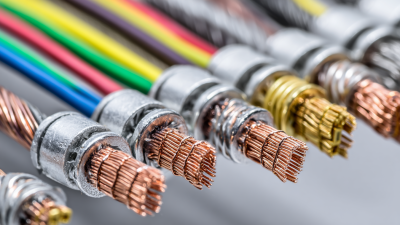
Key components of wire harness assembly include the wire itself, which comes in multiple gauges, and connectors that allow for secure connections. Choosing the right materials is vital, as different environments can affect wire performance. For example, harsh conditions may require environmentally sealed connectors. The global wire harness market is projected to reach $86.2 billion by 2027, emphasizing the increasing demand for reliable assembly methods.
Moreover, investing in skilled labor and state-of-the-art machinery enhances the assembly process. Despite industry advances, many manufacturers still face challenges such as quality control and lead time. A recent report indicated that 30% of companies struggle with production delays related to wire harness inefficiencies. Addressing these challenges can lead to more resilient supply chains.
Benefits of Integrated Wire Harness Solutions for Efficiency
Integrated wire harness solutions significantly enhance supply chain efficiency. Data from industry reports indicates that companies utilizing these solutions report up to a 30% reduction in assembly time. This efficiency stems from streamlined processes and standardized components, which minimize errors and enhance production speed. Each reduction in assembly time translates directly into cost savings and faster delivery to customers.
A well-designed wire harness can also contribute to improved product reliability. According to research conducted by Global Industry Analysts, the global market for wire harnesses is projected to reach $145 billion by 2025. This growth is driven by increased demand for reliable electrical connections in industries such as automotive and aerospace. Integrated systems help in reducing the risk of failures caused by loose connections or damaged wiring. However, achieving optimal reliability requires expert knowledge in design and manufacturing techniques.
Moreover, embracing integrated wire harness solutions prompts reflection on potential weaknesses. Companies often overlook the importance of thorough testing and quality assurance in the assembly process. Despite improved efficiency, any lapses in quality control can lead to costly recalls and damage to brand reputation. Recognizing this, many organizations are re-evaluating their wire harness assembly practices to ensure that both efficiency and reliability are prioritized.
Benefits of Wire Harness Assembly in Supply Chain Efficiency
Common Applications of Wire Harness in Various Industries
Wire harnesses are critical components used across various industries. In automotive manufacturing, for instance, they connect multiple electrical systems in vehicles. According to a report from MarketsandMarkets, the automotive wire harness market is expected to reach $16.23 billion by 2025, driven by the increasing complexity of vehicle electronics.
In the aerospace sector, wire harnesses play a vital role in ensuring reliable communication and power distribution. The global aerospace wire harness market is projected to grow at a CAGR of 3.1% during the forecast period. This growth indicates the rising demand for advanced electrical systems in aircraft, underscoring their importance in enhancing safety and efficiency.
Moreover, the medical device industry relies heavily on wire harnesses. These assemblies are crucial for connecting monitoring systems, imaging equipment, and surgical instruments. With the medical device market expected to exceed $600 billion by 2024, wire harness assemblies will become even more integral to the innovation and reliability of healthcare technologies. Understanding the specific needs of each industry is essential for ensuring quality and compliance in wire harness manufacturing.
Challenges in Wire Harness Assembly and Solutions for Improvement
Wire harness assembly plays a critical role in modern supply chains. However, companies face several challenges in ensuring efficiency and quality. Inconsistent component quality is a common issue. Low-quality connectors may lead to failures in electrical systems. This results in costly returns and unhappy customers.
To combat these challenges, improving supplier relationships is vital. Establishing clear communication channels helps maintain quality standards. Regular audits of supplier facilities can uncover hidden problems early. Another challenge is labor skill gaps. Training programs can enhance the workforce’s capabilities. It’s important to invest in ongoing education to keep staff updated on best practices.
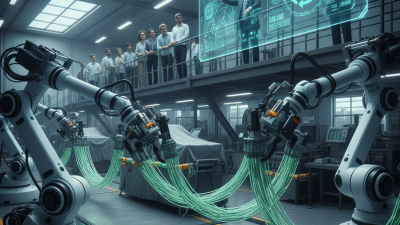
Embracing automation can also address some of these issues. Automated solutions can increase precision and reduce human error. However, integrating these technologies isn't always smooth. Transition periods may disrupt productivity. Companies must carefully plan these implementations to minimize disturbances.
Wire harness assembly is not without its challenges. Recognizing and addressing these obstacles is crucial. By focusing on quality control and workforce training, businesses can significantly enhance their overall supply chain efficiency.