YBM(P) New-Energy Integrated Substation Benefits for Global Buyers?
The evolution of energy infrastructure has led to the emergence of the "YBM(P) New-Energy Integrated Substation." This innovative solution is designed to meet the growing demands of sustainable power generation and distribution. According to Dr. Alex Thompson, a leading expert in renewable energy systems, “The YBM(P) New-Energy Integrated Substation is pivotal for modern energy grids.”
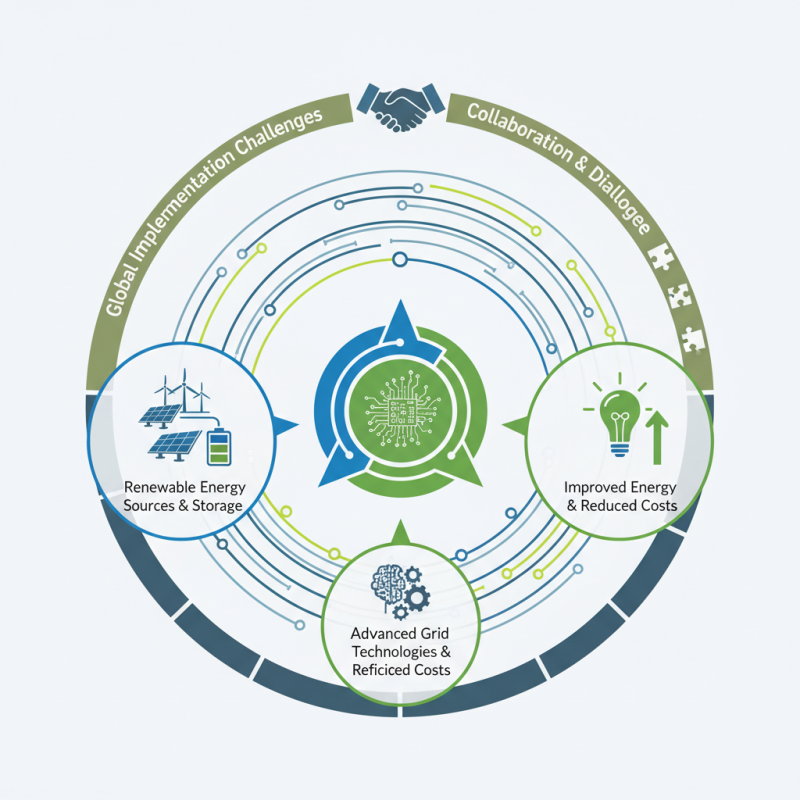
These substations integrate renewable energy sources, storage solutions, and advanced grid technologies. This integration allows for improved efficiency and reduced operational costs. Global buyers are increasingly interested in solutions that enhance energy reliability and sustainability. The YBM(P) New-Energy Integrated Substation brings this potential to light, showcasing how energy transition can be achieved.
Despite its advantages, challenges remain. The implementation process can be complex. Variability in regional regulations and technology adaptation complicates deployment. Stakeholders must navigate these hurdles to fully leverage the benefits. Ongoing dialogue and collaboration in the industry are essential for overcoming these challenges. These discussions will drive the evolution of the YBM(P) New-Energy Integrated Substation towards a more sustainable future.
YBM(P) New-Energy Integrated Substation: An Overview of Features
The YBM(P) New-Energy Integrated Substation is a notable advancement in power distribution. It combines technology with sustainability, meeting global energy demands efficiently. The integration of renewable sources allows for reduced carbon footprints and enhances energy resilience. This innovative approach offers advanced automation features, simplifying grid management.
One standout feature is its modular design. This allows for easy expansion and upgrades when needed. Flexibility is crucial in today's fast-paced energy landscape. Users can tailor their substations to suit specific needs without overhauling the entire system. This adaptability can lead to cost savings over time.
**Tip:** When evaluating new energy systems, consider scalability. Future needs can shift, and having a system that grows with demand is vital.
Despite the many benefits, there are challenges. Implementation can face regulatory hurdles. The technology may require specialized training. This can delay deployment and limit immediate usability.
**Tip:** Engage with trained professionals during installation. This can mitigate risks and ensure optimal performance from the start.
In summary, while the YBM(P) New-Energy Integrated Substation has substantial merits, continuous improvement and skilled oversight are essential for maximizing its potential.
Global Market Trends in New-Energy Integrated Substations
The global market for new-energy integrated substations is evolving rapidly. Industry reports indicate that the new-energy sector is projected to grow by 25% annually over the next five years. This growth highlights a shift towards renewable energy sources, such as solar and wind. Integrated substations play a crucial role in this transition, optimizing energy distribution for improved efficiency.
Investments in integrated substations are soaring. According to recent studies, North America alone accounts for over 40% of the global market share. This surge is driven by the increasing demand for smart grid technologies. These advancements allow for real-time monitoring and management of energy flows. However, challenges persist in integration and implementation. Adopting these technologies requires significant financial commitment and skilled labor.
The long-term benefits are clear. Enhanced reliability and reduced operational costs are essential. However, some facilities may struggle with transitioning from traditional infrastructures. Inadequate training and knowledge gaps can impede effective integration. Addressing these issues is key to fully realizing the potential of new-energy substations in a sustainable future.
YBM(P) New-Energy Integrated Substation Benefits for Global Buyers? - Global Market Trends in New-Energy Integrated Substations
| Region | Market Size (USD Billion) | Growth Rate (CAGR %) | Key Benefits | Adoption Rate (%) |
| North America | 5.2 | 12 | Enhanced Efficiency, Cost Reduction | 55 |
| Europe | 6.8 | 10 | Sustainability, Smart Grid Integration | 60 |
| Asia-Pacific | 7.4 | 15 | Increased Reliability, Flexibility | 65 |
| Latin America | 2.5 | 8 | Cost Efficiency, Environmental Compliance | 50 |
| Middle East & Africa | 3.1 | 9 | Energy Security, Technological Advancements | 52 |
Cost-Benefit Analysis of YBM(P) Substations for International Purchasers
As global buyers increasingly seek sustainable energy solutions, the integration of advanced substations presents a compelling case. YBM(P) substations could potentially reduce energy costs by up to 15% compared to traditional setups. Such an advantage is crucial as energy expenses continue to rise worldwide, with projections indicating a 25% increase in costs over the next decade.
However, financial benefits vary by region. For instance, a recent industry report highlights that while developed markets experience savings, emerging economies may face higher upfront costs. This disparity can make decision-making challenging for international purchasers. It's essential to analyze financial models holistically.
Moreover, while the integration offers efficiency, potential hidden costs can emerge during implementation. Challenges include training and adaptation to new technologies. Acknowledging these factors is vital for making informed choices. The promise of YBM(P) substations lies in their ability to streamline operations and lower expenses, but thorough evaluations are necessary to realize their full potential.
Environmental Impact and Sustainability Benefits of Integrated Substations
Integrated substations represent a pragmatic approach to energy infrastructure. They combine multiple functions into one system, often reducing land use and minimizing environmental impact. This consolidation leads to fewer materials needed for construction. It ultimately lowers carbon emissions associated with manufacturing and transportation. Such systems can adapt to renewable energy sources, enhancing overall efficiency.
While benefits are clear, challenges remain. The complexity of integrating various technologies can pose risks. Maintenance might become cumbersome as systems evolve. Moreover, while the initial environmental footprint may shrink, the long-term impacts of these innovations need careful evaluation. Industry experts advocate for ongoing assessment of integrated substations.
Sustainability is a moving target. Consumers demand cleaner energy solutions. Integrated substations could significantly contribute, but they are not a panacea. The true measure of success lies in constant innovation and adaptation. Balancing efficiency with ecological responsibility remains crucial. Engaging stakeholders in dialogue about these developments can lead to better outcomes for all.
Technological Innovations Supporting YBM(P) Substation Efficiency and Reliability
The YBM(P) new-energy integrated substation represents a significant advancement in energy management. This innovation enhances efficiency and reliability through cutting-edge technologies. High-efficiency transformers and automated control systems optimize energy distribution. These features reduce energy losses and increase overall system performance.
Investors and buyers benefit from improved reliability, as real-time monitoring systems detect faults early. This proactive maintenance approach minimizes downtime. Effective energy management can also lead to lower operational costs.
Tips: Prioritize technological support in your energy infrastructure choices. Evaluate the reliability of systems before making investment decisions. Also, consider the potential for integration with renewable sources. With thoughtful planning, the YBM(P) substation can meet future energy demands. This approach requires ongoing assessment and adaptation to maintain effectiveness.