What Is an Electrical Harness and What Types Are There?
An electrical harness is an organized assembly of wires, cables, terminals, connectors, and protective coverings. It carries power or signals between electrical components. Instead of leaving separate wires loose, a harness gathers them into a routed system that is easier to install, inspect, and service. In a vehicle, for example, branches may run from a fuse box toward lamps, sensors, and doors. Small details matter. A poorly seated connector or an unsuitable wire size can contribute to intermittent faults, excess heat, or difficult troubleshooting. The exact design depends on the equipment, its environment, and the electrical load.
This guide explains what an electrical harness does and how common types differ. It looks at application-specific harnesses used in vehicles, industrial machinery, appliances, and other equipment. It also considers construction choices, including wire protection, connector selection, and branched layouts. Those choices affect more than appearance; they can influence reliability and maintenance. A tidy bundle is not automatically a well-designed harness. That distinction is easy to overlook. Details such as vibration, moisture, temperature, and access for repairs deserve attention during design and inspection. There is no single harness that suits every job, and labels can vary between manufacturers. Understanding the basic categories gives readers a practical starting point, while product drawings and qualified technical guidance remain important for specific installations.
What Is an Electrical Harness?
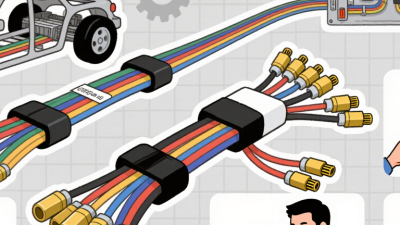
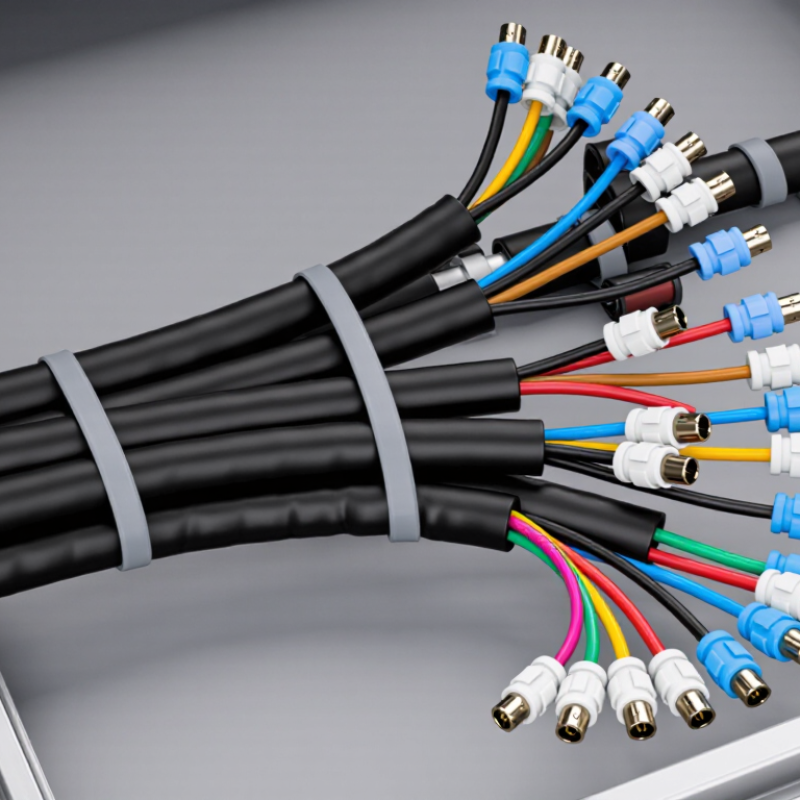
An electrical harness is an organized group of insulated wires, terminals, and connectors that carries power or signals between parts of a system. Protective tape, sleeves, clips, or conduit may hold the branches together and shield them from abrasion, heat, moisture, or vibration. Rather than routing loose wires individually, designers build a harness to follow a defined path through equipment.
A vehicle harness, for example, may run behind a dashboard, split toward the doors, and connect sensors, lights, and control modules. Small details matter.
A harness is not simply a bundle of cables. Its conductor size, insulation, connector fit, and branch layout must suit the expected current, temperature, movement, and electrical noise. The International Energy Agency’s Global EV Outlook 2024 reported nearly 14 million electric car sales worldwide in 2023. That growth adds context: electric vehicles rely on extensive wiring to link batteries, motors, sensors, and controls.
The figure describes vehicle sales, not harness demand. A useful distinction. Harnesses also serve machinery, appliances, and buildings, where requirements differ.
Even a carefully designed assembly can be awkward to install if its branches are too short or its labels are unclear. That practical weakness is easy to overlook on a drawing.
What Components Make Up an Electrical Harness?
An electrical harness is an organized assembly that routes power and signals between parts of a machine or vehicle. Its main components are insulated wires or cables, terminals, connectors, and splices. Conductors carry current; insulation helps prevent shorts and protects against heat, moisture, and abrasion. Small parts matter.
At each branch, wires may be bundled with tape, braided sleeving, or corrugated conduit. Clips and ties hold the bundle away from moving parts and sharp edges. Sealed connectors use gaskets to limit water and dust entry, while labels help identify circuits during assembly or repair. Some harnesses also include shielding, grounding points, fuses, or relay connections. A terminal may look simple, but poor crimping can create resistance and heat.
The International Energy Agency’s Global EV Outlook 2024 reports nearly 14 million electric-car sales in 2023, about 18% of global car sales. This shift makes high-voltage cables, shielding, and clear separation from low-voltage circuits increasingly relevant in vehicle harness design. Still, market figures cannot specify every vehicle’s construction. Technicians should check wire gauge, connector keying, seal seating, and clip retention against the design drawing. One loose clip can let a branch rub against a sharp edge.
What Is an Electrical Harness and What Types Are There?
A Key Component: Wire Conductor Size
An electrical harness bundles and protects wires that connect electrical components. Depending on its application, it may include conductors, terminals, connectors, insulation, protective sleeving, seals, and clips. This chart compares the nominal cross-sectional area of common AWG copper wire sizes; the appropriate wire depends on current, length, temperature, and installation conditions.
How Does an Electrical Harness Work?
An electrical harness is an organized assembly of wires, terminals, and connectors. It carries power and signals between components. Protective sleeves or clips keep wires together and help shield them from heat, vibration, and abrasion. Each wire has a specific job, such as powering a lamp or carrying a sensor reading. Small details matter.
A harness works by providing a planned path through a circuit. Power travels from a battery or power supply, often through a fuse and switch, to a device. The device uses that energy, while a return wire or ground completes the circuit. Sensors may send changing signals instead of supplying power. The harness itself does not generate electricity. Wire size, connector fit, and routing all affect performance. A loose terminal can cause intermittent faults, even when the insulation looks fine. Tracing a problem can take patience.
Tips: Check that connectors are fully seated and wires are not pinched. Follow the circuit diagram when testing. If a reading seems inconsistent, inspect the ground connection too; it is easy to overlook.
What Are the Main Types of Electrical Harnesses?
Electrical harnesses are commonly classified by application and by the power or signals they carry. Automotive harnesses connect batteries, lighting, sensors, cabin controls, and high-voltage drive systems. Their branches fit through tight body spaces, so abrasion protection, sealed connectors, and service access matter. The International Energy Agency reported nearly 14 million electric cars sold in 2023, about 18% of global car sales (Global EV Outlook 2024). That growth raises the importance of high-voltage traction harnesses and low-voltage control harnesses, which need insulation suited to their different loads. Small details matter.
Industrial harnesses serve machinery, control cabinets, robotics, and production lines. They may combine power wires with signal or data cables, while flexible designs handle repeated movement. Aerospace and marine harnesses prioritize low weight, vibration resistance, moisture protection, and careful inspection. Medical and consumer-equipment harnesses are often smaller, but routing and shielding still matter. By function, common types include power, signal, data, and hybrid harnesses. The categories overlap: one machine harness may carry motor power, sensor signals, and network data. This taxonomy is useful, though not perfectly neat. Selection should reflect voltage, current, environment, bend life, and maintenance needs—not just the harness label.
Where Are Electrical Harnesses Used?
Electrical harnesses appear wherever equipment needs organized power and signal paths. In vehicles, a harness links batteries, sensors, lamps, displays, and control units. OICA recorded about 93.5 million motor vehicles produced worldwide in 2023. The IEA reported nearly 14 million electric-car sales that year, adding high-voltage cables and battery connections to many vehicle designs. These numbers show the scale of the work. They do not mean every vehicle uses the same layout.
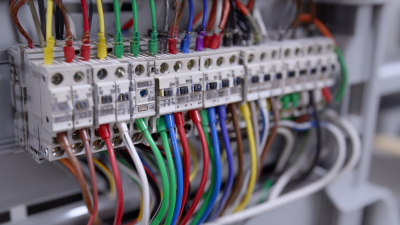
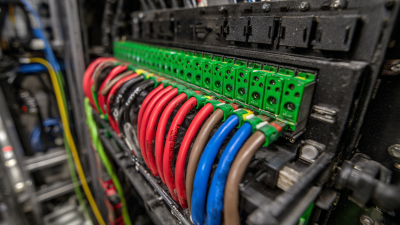
Factories rely on harnesses inside robots, packaging lines, machine tools, and control cabinets. IFR’s World Robotics 2024 report counted 541,302 industrial robot installations in 2023. In a robot arm, carefully routed wiring must flex repeatedly without rubbing against joints. Harnesses also serve aircraft, rail systems, medical equipment, and building controls. A technician opening a cabinet may see labeled branches feeding motors, switches, and sensors. Small routing errors matter.
Conditions shape the design. Vehicle harnesses face heat and vibration; outdoor equipment may need protection from moisture and abrasion. Shielding can reduce electrical interference around sensitive signals, but it adds cost and bulk. A tidy harness is not automatically a reliable one: connectors, strain relief, and service access matter too. In practice, maintenance teams sometimes find that a technically sound design is awkward to inspect. That detail deserves more attention.